Riyadh targets and the reality of the threat
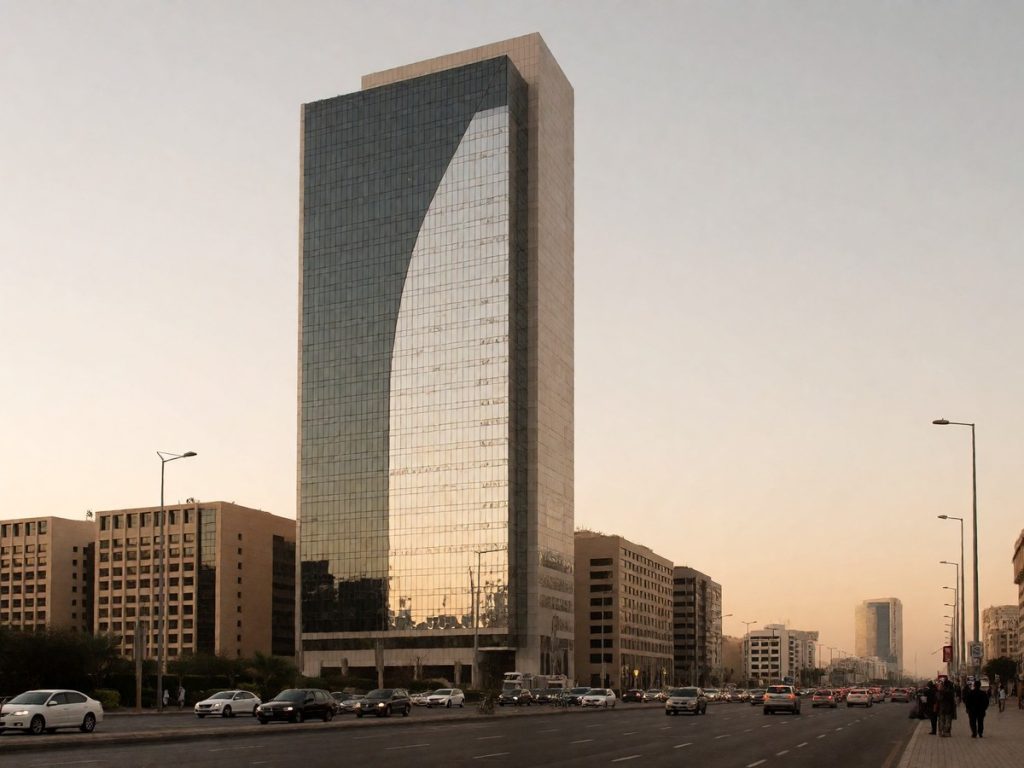
I saw the damage to the Aramco tower in Riyadh, though workers repaired the exterior within days to project stability. This follows the October 10 strike on Riyadh’s international airport that killed 13 people and injured more than 300. Majid, a 25-year-old engineer for Aramco, was passing through the terminal when it was hit while he was rushing for a flight to Jeddah. He watched a mother push her children in a pushchair and saw a man covered in blood. "The threat is real," he told me. He saw injured passengers being taken to the airport’s first aid clinic and could not tell if some were still alive. He will not let the Houthis make him feel unsafe in his own country.
Abu Khalil, who fled Sanaa ten days before arriving in Riyadh to sell socks, wants to protect his wife and four children. He hitched a ride into Saudi Arabia after crossing the front line to escape the armed group. Families in Yemen are struggling to provide for their children, and he tries to earn enough to send money home. He asks not to use his full name because he fears what might might happen to his family. He ran away from the Houthis but could not bring his family. Since the informal ceasefire in Yemen unraveled in July, the Houthis have stepped up attacks on Saudi Arabia. They claim they are retaliating against deadly Saudi air strikes in Yemen and a Saudi blockade of ports and airports.
Data on the escalating strikes
Acled data shows 274 attacks on Saudi Arabia between July 1 and November 25, whereas the previous five months saw only one Houthi attack. According to Acled data, drones were part of almost two-thirds of the 274 attacks recorded between July 1 and November 25, while ballistic missiles were used in more than half of those incidents. Most of these strikes were intercepted, but at least 41 were not, and debris from the interception also caused damage. These attacks now strike deep into Saudi territory, over 700km from the Yemeni border. This month, two prominent skyscrapers in the Riyadh financial district were hit, including the PIF Tower, which left 11 people injured. The other target was the Aramco building, the home of the state oil company.
Riyadh remains a target despite the billions spent to attract international investment and present the kingdom as a safe place. Badr, a shopper in a busy market, told me he sleeps comfortably because the security forces protect the people. Rashid, another man at the market, said everything is good. People continue buying and selling. However, British expatriate Alex Malouf says his 11-year-old daughter told him, "Daddy, I’m scared," after she experienced security alerts at school. The knowledge that not every attack is intercepted leaves people afraid when they hear the loud booms of air defences overhead. Strikes also targeted Medina and Dammam, forcing passengers to travel by land.
Humanitarian fallout in Yemen
The Houthi offensive in western Yemen has captured territory along the Red Sea coast and threatens strategic routes toward the southern city of Aden. Since August, the International Organization for Migration reports that 360,000 people have been forced from their homes. The UN Human Rights Office verified 323 civilian casualties since August, including 76 killed, with children accounting for half of the dead. According to Unicef, road closures from the Houthi siege in Taiz have cut off more than 800,000 people. Food and fuel prices shot up as fighting intensified in Taiz.
Houthi authorities say a Saudi strike in Sanaa earlier this month killed 44 people. Saudi Arabia says these operations protect the Yemeni population and global trade from the Houthis. The Houthis have also inflicted suffering on civilians through shelling and repression in areas they control. Abu Khalil hopes to bring his family to Saudi Arabia, but he says he will not go back until the Houthis are gone.