
Secret nationwide operation
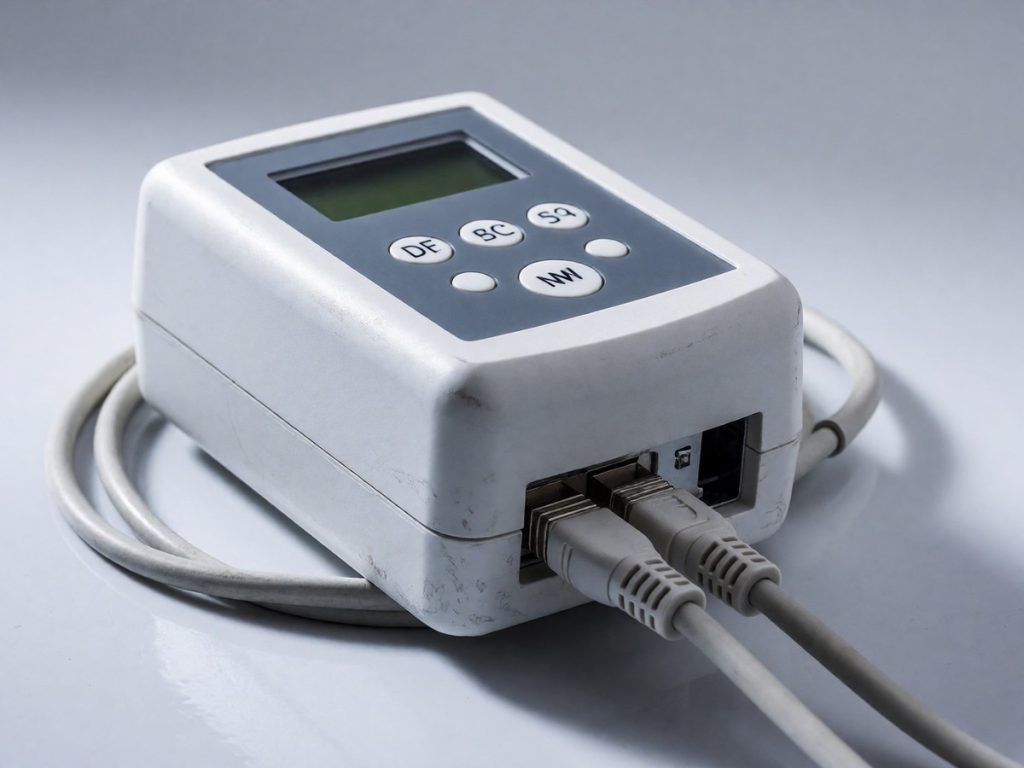
The National Cyber Security Centre, Defra, and the Food Standards Agency coordinated a secret nationwide operation to secure tens of thousands of refrigeration devices across the UK. This response followed a vulnerability discovery in late October by Omega Solutions and Pen Test Partners. The vulnerability involves a weak password problem in temperature controllers produced by the British firm Resource Data Management. To prevent food spoilage, IT teams at major supermarkets diverted staff to take hundreds of devices offline every day for a week, with some workers forced to monitor temperatures manually after removing internet cables. One worker at a large supermarket chain said the situation could have been potentially devastating with business interruption and supply chain problems. These warehouses hold millions of pounds worth of food that could have spoiled if hackers found this method of attack. Authorities held industry conference calls and tasked teams to contact firms at risk to reduce the chances of hackers causing harm. The response reached various sectors, including convenience stores, petrol stations, restaurants, fast food chains, sports arenas, hotels, food processing plants, and cold storage sites.
Comparing vulnerabilities
The security threat targets controllers used in supermarkets, petrol stations, restaurants, fast food chains, sports arenas, hotels, food processing plants, and cold storage sites. Ken Munro of Pen Test Partners said, "These popular controllers had a similar weak password problem to the Danfoss and other controllers that were attacked so successfully in previous hacks so we had to get the message out as soon as possible and keep it secret." This vulnerability follows three waves of attacks on refrigeration temperature controllers this year.
| Date | Location | Target |
|---|---|---|
| August | US military bases | Refrigeration controllers |
| 11-12 October | France supermarkets and food sites | Danfoss temperature control systems |
| 1-2 November | Belgium, Luxembourg, and seven European countries | Supermarkets and blood bank sites |
RDM CEO Ged Evans said the company deployed first patch releases and contacted customers to recommend mitigatory steps. He disputed the critical nature of the vulnerabilities, claiming the comparison with the Danfoss attacks was unfair because hacking RDM hardware requires physical access. Ethical hackers note that criminals can purchase the hardware cheaply on sites like eBay. RDM confirmed no sign of malicious activity on its controllers and continues to work with the NCSC to monitor the situation closely. Ged Evans noted the testing process went beyond standard exercises because it involved dismantling his company’s hardware. In October, France blamed Iran for one of the waves of attacks that impacted its supermarkets, though Tehran denies that claim. The November attacks hit dozens of supermarkets across seven European countries, with Belgium and Luxembourg seeing the worst impact and a small number of blood bank sites in France also being hit.