
Chitosan technology for Ghanaian farms
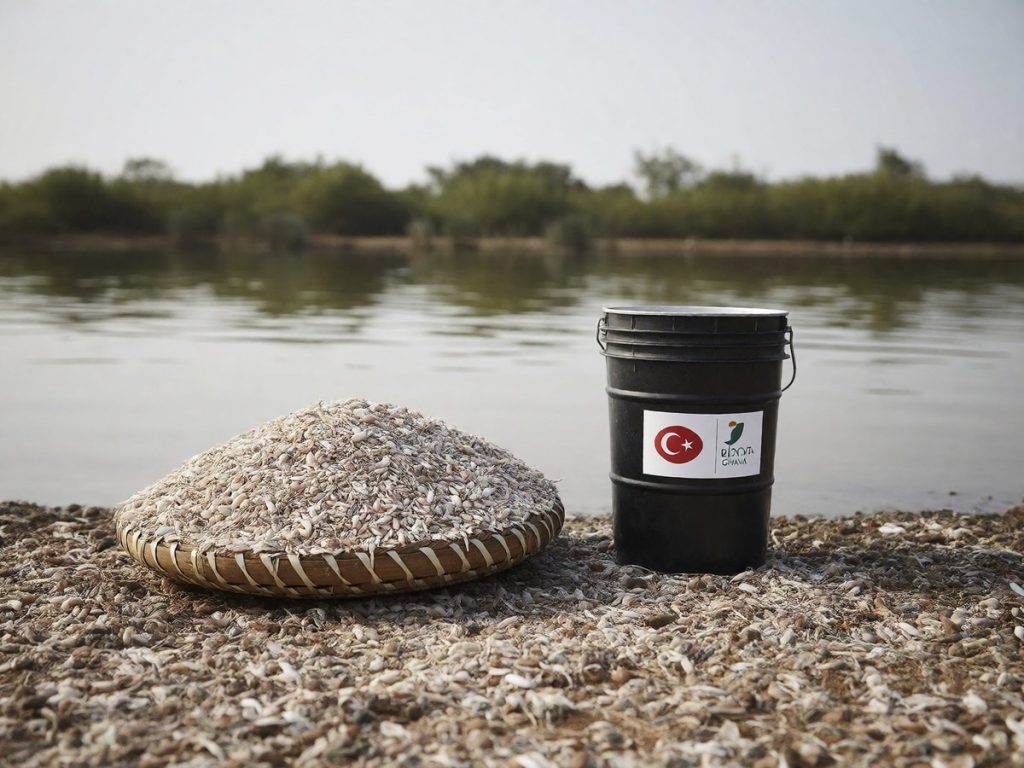
The partnership between the African Agribusiness Consortium Limited (AAC), a subsidiary of the Jospong Group of Companies, and Turkiye-based ChitoGlobal Biotechnology clearly offers a practical way to replace expensive chemical inputs with products made from discarded shrimp and crab shells. I find the move toward chitosan-based technology particularly useful for Ghanaian farmers. The agreement focuses on chitosan, a substance derived from chitin found in the shells of crustaceans, to determine if these products can protect seeds and plants, improve resilience during dry spells, and strengthen natural plant defences against fungal diseases. Following a meeting at the COP31 pavilion in Antalya, a four-member AAC delegation led by Coordinator Dr. Emmanuel Volsuuri visited the ChitoGlobal facility to tour the laboratories and learn about the composition of the products. This visit helped AAC assess how the technology could support crop disease management and improve soil health in Ghana. The delegation toured the facility to learn about the composition of the products and the operations of the company’s laboratories. These trials will also test if the products can provide a more affordable alternative to conventional agricultural inputs while assessing their impact on soil quality and crop yields. Dr. Volsuuri arranged the visit to examine the operations and technology of ChitoGlobal first-hand.
Scaling production and local impact
I find the focus on reducing reliance on chemicals to be the most vital part of the trial, especially as Dr. Volsuuri noted the "widespread use of conventional chemical treatments" in the country. AAC, which grows rice, maize, vegetables, and soybeans commercially, plans to use the results to benefit both its own operations and smallholder farmers. Noah Gyimah, the Jospong Group Chief Investment and Innovation Officer, said the group will work with Ghana’s environmental and standards authorities to ensure the products meet local regulatory requirements before they are used on its farms. The pilot helps AAC assess commercial viability, identify buyers, and check for raw material availability. Dana Abourahma, the Sales and Technical Support Manager at ChitoGlobal, said the collaboration brings together "extensive local knowledge with cutting-edge scientific capabilities." AAC Chief Executive Dr. Adelaide Araba Siaw Agyepong leads the consortium, which provides mechanisation services, financing, and markets to help local farmers grow their crops. ChitoGlobal Biotechnology develops biopolymer products for agricultural and medical applications. If the trials prove the products are suitable, AAC intends to make them available to smallholders and use them for large-scale commercial vegetable production intended for the Ghanaian population. The consortium aims to determine if the chitosan-based products can be adapted for the specific growing conditions found across different Ghanaian farms.