Negotiations stall in Turkey
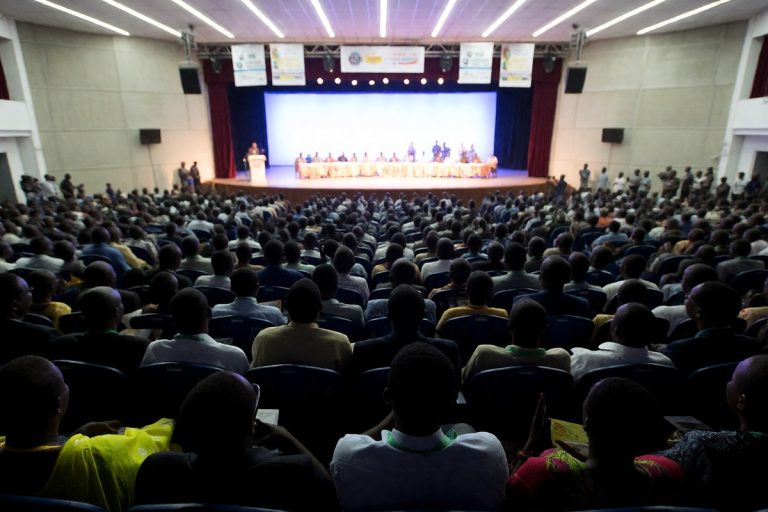
Discussions remain productive, according to the UK’s chief negotiator, Miatta Fahnbulleh, but the COP31 summit in Turkey is in deadlock after 36 hours of overtime. The EU and Pacific island nations oppose a draft agreement that omits any reference to reducing global demand for fossil fuels, even though Saudi Arabia and other fossil fuel producers pushed for the removal of that language. Panama’s environment minister, Juan Carlos Navarro, says it is not acceptable to have a decision that does not mention fossil fuels. I find the Australian position, led by minister Chris Bowen, particularly dismissive as he argues the summit should focus on clean energy implementation instead of fossil fuel language. Ministers from Panama, Solomon Islands, Cote d’Ivoire, and the EU are fighting to get a commitment to move away from oil, gas, and coal back into the final agreement.
France’s Minister of Ecological Transition, Monique Barbut, criticized references to carbon capture, use, and storage, calling the technology a licence for countries to keep burning oil and gas. The official Antalya Accords may acknowledge for the first time that the world has missed the 1.5C temperature target and entered an overshoot period. This situation becomes more dire as scientists warn that millions will face sea level rise and extreme heat. While solar panels became the biggest contributor to meeting new global energy demand this year, US President Donald Trump, Chinese President Xi Jinping, and Russian President Vladimir Putin met in Shenzhen and agreed to increase oil production to address fuel supply disruptions. EU Commissioner for Climate Wopke Hoekstra stated that if the bloc cannot get what is needed in terms of climate action, then there is no deal.
Money and missing targets
One proposal suggests keeping fossil fuels off the table if Saudi Arabia and other petro-states pledge that 35% of their energy consumption comes from electricity by 2035. I see this as a weak trade-off that ignores the needs of developing nations. The African Group is fighting for more money for adaptation, but the EU previously stated it would not support such commitments. Earlier text included an agreement to ramp up adaptation funding to $120bn (£91bn) by 2035, but negotiators removed that figure. Ghana’s Environment Minister Zanetor Agyeman Rawlings said her group did not come to beg but to claim what is rightfully theirs for people suffering from the activities of developed countries.
Mohamed Adow of Powershift Africa called the summit the worst COP ever. Observers also criticized Turkey as a host because the lead negotiator walked out of certain discussions, leaving many countries feeling disrespected. If the nations cannot reach consensus, the UN process requires they suspend negotiations and reconvene next year. This risk looms as negotiating teams must eventually depart for their journeys home, potentially losing the necessary number of nations needed to pass a global agreement. Such a failure would mean the summit ends without a deal, mirroring a rare occurrence in the history of climate meetings.