Funeral in the Bronx
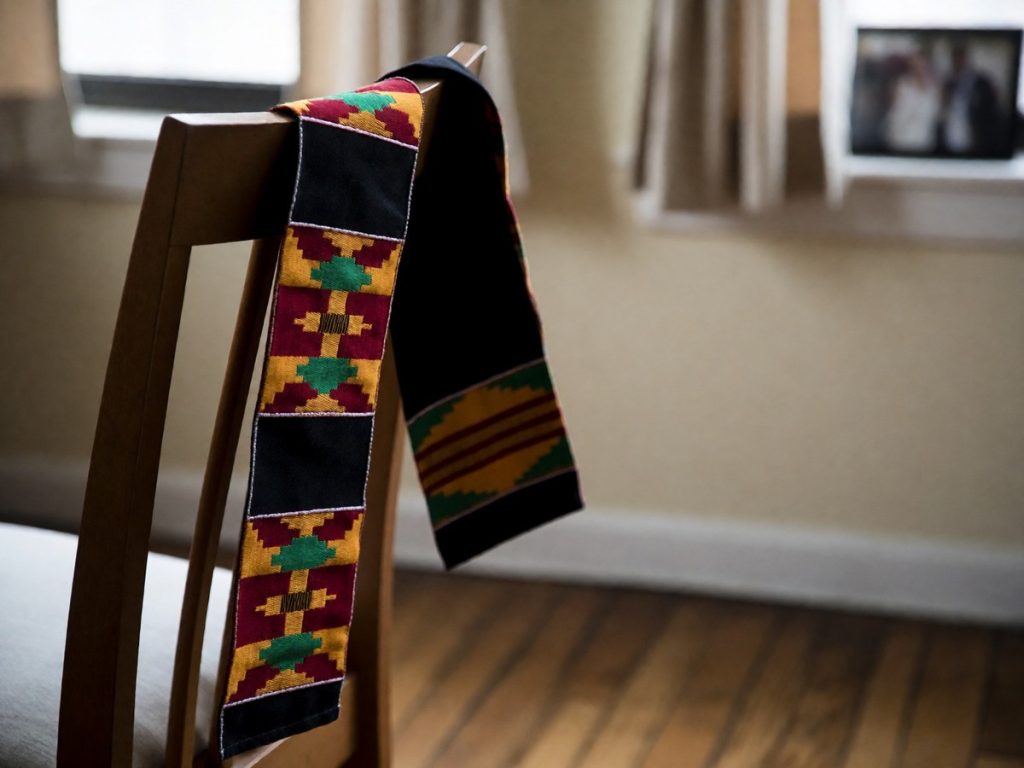
The funeral for 15-year-old Badu Nkansah Frimpong, known as Javits, took place in the Bronx on Friday, November 20. Family, friends, community leaders, and public officials gathered to bid farewell to the Ghanaian teenager who died after a fatal shooting last month. The funeral brought together New York City Mayor-elect Zohran Kwame Mamdani, civil rights activist Rev. Al Sharpton, and Ghana’s Deputy Minister for Foreign Affairs James Gyakye Quayson to honor the student. Mourners dressed in black, red, and white, with several members of the Ghanaian community wearing kente-woven sashes around their necks. Javits was born on April 29, 2011, and moved from Ghana to the United States in 2025 to join his father and pursue his education. He was fatally shot in the Bronx on October 29, 2026, while he walked to DreamYard Preparatory School, where he was a Grade 10 student. He aspired to become a doctor and serve in the United States military.
Tributes from leaders and family
Mayor-elect Zohran Kwame Mamdani, who also moved to New York from Africa as a child, spoke of the teenager’s sense of purpose. He recalled his own arrival at John F. Kennedy International Airport, describing the excitement and nerves he felt as a young immigrant. Mamdani said Javits’ story reflected the hopes of many young migrants who cross oceans to build meaningful lives in new communities. "To look at the photograph of Javits on today’s programme with his open smile and his easy warmth is to glimpse the hope of every child who crossed an ocean in search of a better life," Mamdani said. He also mentioned his middle name, Kwame, which his father gave him to honor Ghana’s first President, Dr. Kwame Nkrumah. He described Javits’ death as a loss for both New York City and the United States.
Rev. Al Sharpton delivered the eulogy and called for unity between African Americans and African immigrants to confront hostility and divisions. He said growing prejudice against immigrants, including hostility based on accents or places of birth, affected children. To combat this, he urged parents to use Thanksgiving family gatherings to teach children to embrace people from different backgrounds. "We are all African, some displaced African, some at home African, we’re all African," Sharpton told the mourners. He used the biblical story of Joseph and his brothers to warn the community against jealousy and self-hatred. Sharpton noted that the full circumstances surrounding the killing were not established, but he insisted that the consequences of the violence required a collective response. He added that Javits could still inspire healing in the community even though he never went to medical school.
Javits’ mother, Doris, broke down in tears during the reading of her tribute. She described her son as her only child and her greatest blessing. She said that although distance separated them when he lived in the United States, their emotional bond remained strong. She recalled his dreams to study hard, become a doctor, and eventually return to Ghana to care for her and help the less privileged. She had imagined the day she would call him "Doctor." "If a mother’s tears could bring back a child, I would have cried you back into my arms," the tribute read. She told her son, "My heart has lost its greatest treasure." Javits’ father told the crowd he had worked hard to bring his son to the United States to give him better opportunities. He recalled receiving a police call informing him that his son had been shot. He told the mourners, "I was supposed to celebrate your achievements, not stand beside your grave."
Investigation and community impact
A 17-year-old suspect faces charges in connection with the shooting that killed the teenager. Police arrested the suspect and continue investigations into the circumstances of the death. The death of Javits caused widespread grief among Ghanaians in the United States and back in Ghana. This incident led to calls for justice and renewed concerns regarding the safety of schoolchildren.