AI and observation infrastructure
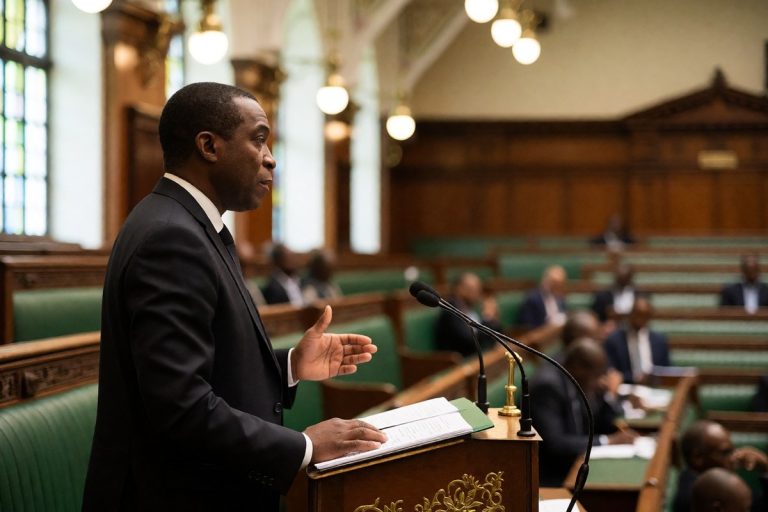
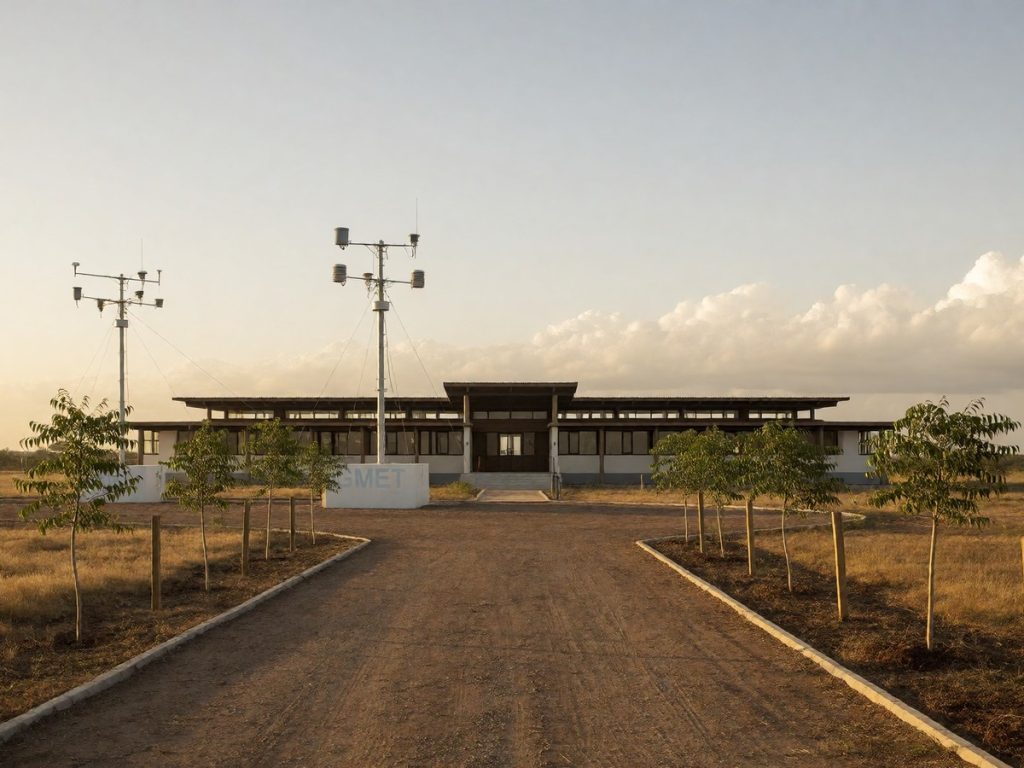
I find Professor Kpessa-Whyte’s warning regarding Ghana’s weather forecasting gaps compelling, as AI cannot produce accurate predictions without reliable observation systems and quality data. Speaking at the inauguration of the Ghana Meteorological Agency (GMet) new operational facility, the SIGA Director-General noted that although AI and machine learning change weather forecasting globally, Ghana must address weaknesses in its meteorological infrastructure to benefit from these technologies. Professor Kpessa-Whyte warned that while AI can sharpen a forecast, the technology cannot invent an observation because even the most advanced algorithm in the world remains only as good as the data fed into it. He pointed out that GMet develops AI-driven sub-seasonal and seasonal forecasting systems, but sophisticated technology cannot compensate for inadequate weather observations.
Africa operates one of the smallest weather observation networks globally, making the expansion and modernisation of ground-based monitoring systems necessary to improve forecasting accuracy. While GMet accepted automated weather stations through UNESCO and works with the Danish Meteorological Institute and the UK Met Office on the Ghana Climate Atlas, Kpessa-Whyte urged the nation to develop the technical capacity to maintain its own infrastructure. He said, "The eyes of a nation on its own skies cannot always depend on the generosity of others." He also noted that GMet must attract and train the scientists, forecasters and technical specialists needed to support a modern service. The agency moved from the middle of performance rankings towards the top over the past five years. However, it must still address infrastructural and institutional challenges. He remarked, "As our climate grows more volatile, the meteorologist has become more than a scientist. The meteorologist is a first responder who arrives before the disaster."
Financial constraints and regulatory shifts
GMet faces significant financial hurdles that threaten its ability to invest in the tools required for accurate forecasting. I see a direct link between the agency’s rising operational costs and its limited capacity for long-term infrastructure investment.
| Financial Metric (2025) | Value (GH¢) |
|---|---|
| Total Revenue | 77.42 million |
| Internally Generated Funds | 50.88 million |
| Recurrent Expenditure | 53.32 million |
| Capital Expenditure | 9.84 million |
| Operating Cash Flow | -3.87 million |
The agency recorded a negative operating cash flow of GH¢3.87 million in 2025, as much of its GH¢50.88 million in internally generated funds went toward operational expenses. While total revenue reached GH¢77.42 million, the recurrent expenditure of GH¢53.32 million left only GH¢9.84 million for capital expenditure, which accounts for 15.57 per cent of the total expenditure.
He also called for the implementation of revenue provisions under the Ghana Meteorological Agency Amendment Act, 2019. This legislation allows GMet to collect 10 per cent of both landing and overflight charges, alongside five per cent of airport tax. These funds ensure the aviation industry contributes to meteorological services. He urged GMet to expand engagement with clients in aviation, energy, agriculture, insurance, mining, construction and telecommunications. However, he insisted that commercial expansion must not compromise public access to weather information, stating, "Warnings that protect life must remain a public good."
He also supports the proposed Ghana Meteorological Authority Bill, which seeks to elevate GMet into an authority with regulatory oversight to act as the single official source of severe weather warnings. This change addresses the growing circulation of unverified weather alerts on social media. He warned, however, that the expanded mandate must have clear governance and transparent licensing. He noted the need to consider the potential dual role of GMet as both a provider of services and a regulator.