Reversals in progress
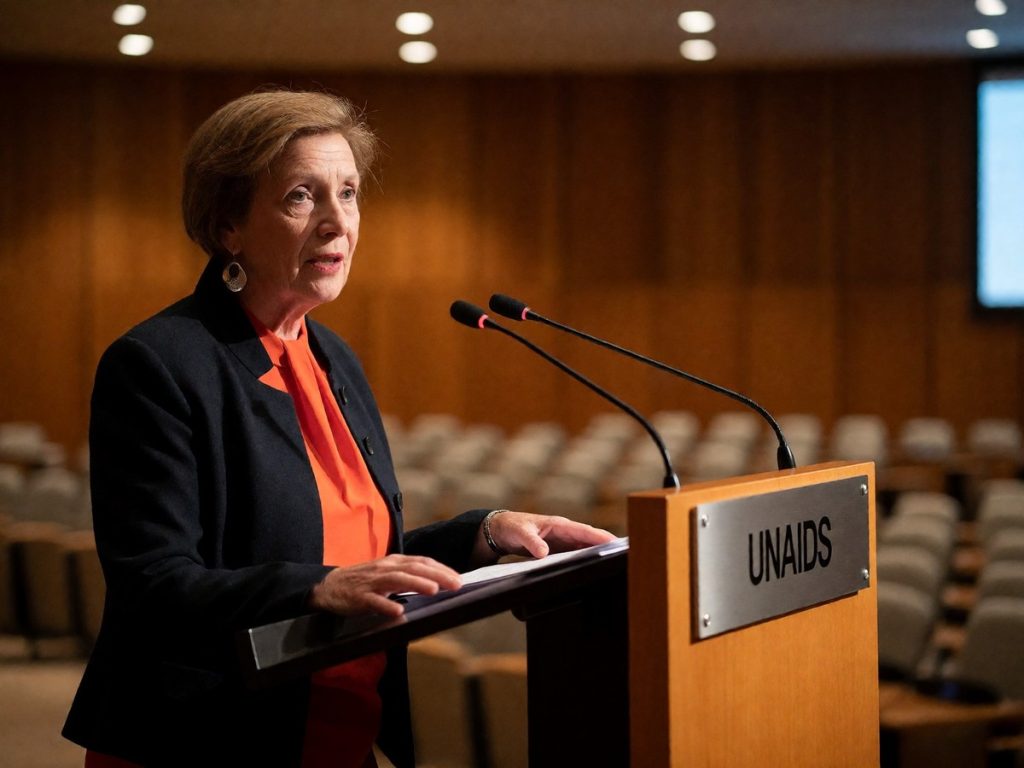
Winnie Byanyima, the executive director of UNAIDS, warned on Tuesday that new HIV infections could begin rising from historic lows next year. She predicts that 2027 data will reflect this increase, though the agency lacks the data right now. Byanyima sees signs of reversals already, as numbers increase in parts of South America. This potential rise follows a period where new infections hit an all-time low of 1.2 million last year, down from a peak of 3.5 million people in 1994. The threat to the 2030 goal comes from a combination of funding cuts and a broad global political backlash against women’s access to sexual and reproductive health and LGBTQ rights. Byanyima told Reuters, "We are on the cusp of ending AIDS. This has been the greatest story of global health, and just when we should finish it, cuts and the rolling back of human rights is threatening to take away our gains." She adds, "We haven’t got the data yet, but we see the signs. We see all the signs of reversals." I find her warning regarding the 2030 goal being threatened by these factors quite sobering.
Funding gaps and agency shrinkage
The reduction in international funding by nearly a fifth last year creates a gap that some countries struggle to fill. I observe that these funding cuts lead to prevention clinic closures and staff reductions. UNAIDS has already dismissed half its staff and stopped work in about 30 countries. While the board rejected a plan to dissolve the agency last month, Byanyima expects the agency to undergo a gradual shift to a smaller size. She notes "the core work will remain" even as the agency shrinks. Byanyima, who comes from Uganda, leaves her post in December to focus on activism on issues such as global inequality. I see her prediction that 2027 data will show rising infections as a direct result of these structural changes. The UN aims to end HIV/AIDS as a public health threat by 2030, but the current trajectory of funding suggests a difficult path for those working to close the gap. As some countries struggle to fill the budget gap, the agency continues to face intense pressure to restructure.
| Infection and Funding Metrics | Data |
|---|---|
| New infections last year | 1.2 million |
| Peak infections (1994) | 3.5 million |
| International funding drop | Nearly 20% |
| UNAIDS staff reduction | 50% |
| Countries with stopped work | ~30 |