NPA cuts price floors for December
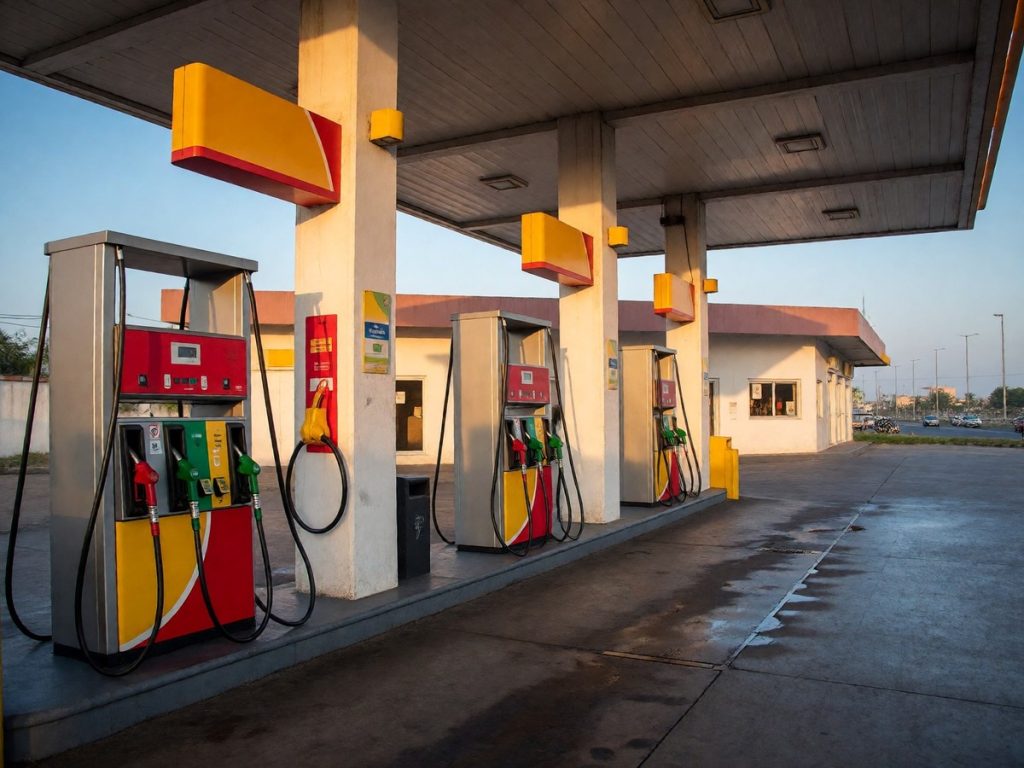
The National Petroleum Authority (NPA) reduced the minimum price thresholds for petrol and Liquefied Petroleum Gas (LPG) for the first pricing window of December 2026, which allows for lower petrol and LPG prices at the pumps. This move allows for lower costs, though final prices depend on the margins individual companies apply. The petrol price floor dropped from GH¢13.69 per litre in the November window to GH¢12.36 per litre for December, a decrease of GH¢1.33. LPG floor prices also fell from GH¢15.93 per kilogramme to GH¢12.89 per kilogramme, a decline of GH¢3.04. Diesel follows a different path, as its minimum price threshold rose from GH¢16.73 per litre to GH¢17.12 per litre, an increase of GH¢0.39. I see these changes as a direct result of international market shifts where crude oil dropped 10.96% to US$92.83 per barrel for a third consecutive pricing window. This crude price decline reached approximately 20% this month after President Trump delayed renewed strikes. The cedi remained fairly stable during this period, even though it saw some pressure over the past few days. The NPA notes that these floor prices exclude premiums from international oil trading companies and the operating margins of bulk import, distribution, and export companies.
Market competition and Star Oil adjustments
OMCs will determine final pump prices based on their own cost structures and the prevailing market conditions. I find the competitive pressure from Star Oil and Allied particularly evident following JOYBUSINESS checks on Wednesday, November 25, which showed that some OMCs had already reduced pump prices. Star Oil Chief Executive Philip Kwame Tieku told users on social media that the company briefly dropped gasoline (RON 91) to GH¢13.55 per litre on November 25. He stated the company had to make the necessary correction to GH¢13.69 after realizing the lower price was below the floor. Star Oil also reduced its petrol from GH¢13.95 to GH¢13.69 per litre because of improved supplies from its bulk oil distribution business and the sustained decline in international petrol prices. Allied also lowered its petrol to GH¢13.75 per litre and its diesel to GH¢17.50 per litre.
| Fuel Type | Nov Floor | Dec Floor | Difference |
|---|---|---|---|
| Petrol (L) | GH¢13.69 | GH¢12.36 | -GH¢1.33 |
| LPG (kg) | GH¢15.93 | GH¢12.89 | -GH¢3.04 |
| Diesel (L) | GH¢16.73 | GH¢17.12 | +GH¢0.39 |
The Chamber of Oil Marketing Companies (COMAC) provided a pricing outlook suggesting even steeper cuts. COMAC expects petrol, which currently sells at around GH¢13.69, to drop by as much as 15.13% per litre. LPG, which has risen significantly in recent weeks, could see a 21.22% reduction, resulting in a price of GH¢17.61 per kilogramme. Diesel, which is expected to go to GH¢17.95, may increase by 3.81% per litre because of the suspension of the 2 cedis subsidy on the product. International markets also saw LPG decline by 21.01%, petrol by 15.91%, and diesel by 12.70%.
COMAC demands enforcement against non-compliance
COMAC issued a press statement on Thursday, November 26, 2026, urging the industry regulator to investigate all reported cases of non-compliance and circumvention of the price floor policy. The Chamber expressed concern that some operators sell products below the approved minimum thresholds and then explain these breaches as "pricing errors." I find this lack of adherence to the policy a threat to the long-term sustainability of the downstream petroleum industry. COMAC insists the regulator apply appropriate sanctions in accordance with due process to ensure fair competition. The Chamber maintains that anticipated reductions in fuel prices should translate into relief for households, businesses and transport operators who have endured higher energy costs. This comes amid an ongoing debate where some players push for further reduction in the price floor. Under the Petroleum Product Pricing Guidelines (PPPG), all companies must comply with the applicable floors for each pricing window. The NPA explains that individual marketers and dealers determine their own margins and premiums independently, which allows for the varied pump prices seen in the market.