Brokers must fix revenue losses
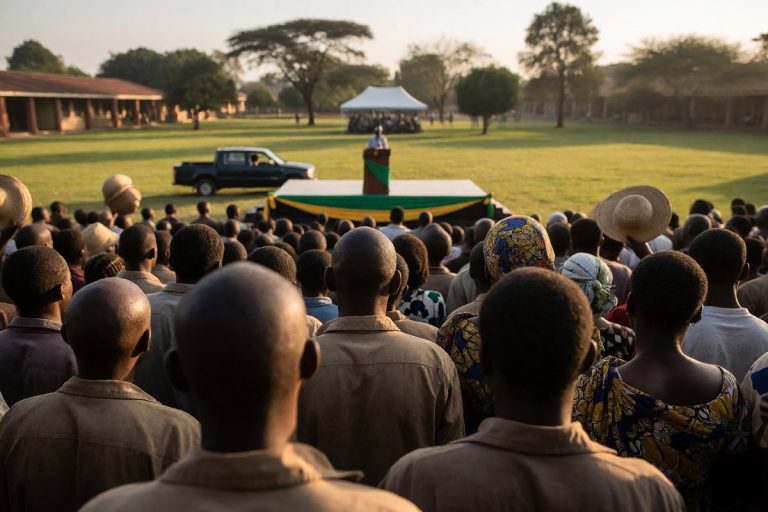
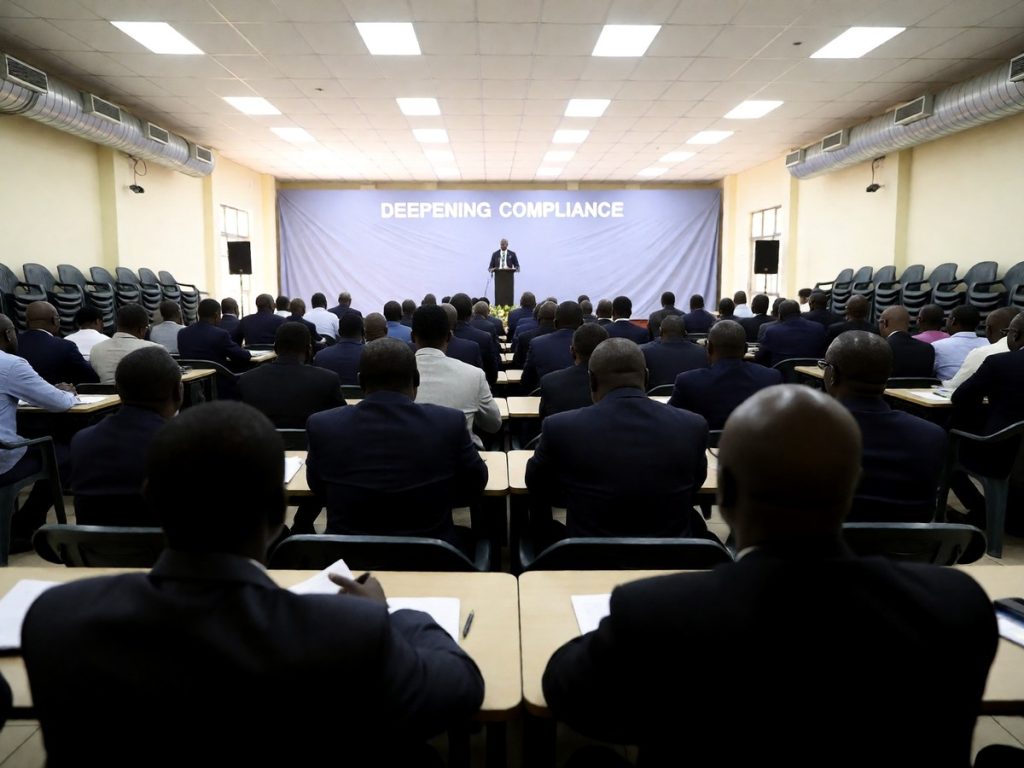
Aaron Kanor, Commissioner of the Customs Division of the Ghana Revenue Authority, challenged customs brokers to play a decisive role in safeguarding national revenue and facilitating trade. He aims to help the Division close a GH¢14.35 billion revenue gap before the end of 2026. Kanor made this call at the 2026 Annual General Meeting of the Customs Brokers Association Ghana (CUBAG) in Sogakope. The meeting, chaired by Togbe Atsuga Soga II, Dufiaga of Sogakope, brought together customs officials, freight forwarders, logistics operators and other trade stakeholders. The gathering used the theme "Deepening Compliance, Driving Reforms; the Customs Broker as the Gateway to Trade Facilitation." I find his directness about the revenue loss necessary. Brokers act as the first line of assessment in the customs value chain, meaning their declarations directly influence government revenue collection, trade facilitation and national security outcomes.
Kanor warned that under-declaration, misclassification, falsification of documents and diversion of transit cargo continue to cost the state significant revenue, with some cases involving licensed agents. He urges brokers to embrace a "new covenant of compliance" and promises better facilitation for operators who consistently follow customs regulations. Kanor described brokers as indispensable partners in Ghana’s trade ecosystem, stressing that the success of customs administration and revenue mobilisation depends significantly on the integrity and professionalism of licensed brokers. I see the failure of some licensed agents to maintain integrity as the most glaring obstacle to reaching that GH¢14.35 billion target. He stated that accurate declarations and classifications are essential to meeting Ghana’s revenue objectives and maintaining confidence in the country’s trade systems.
Digital tools for compliance
CUBAG President Nana Fredua Ofori-Atta said the association uses compliance as a professional culture and survival strategy in the era of digital customs administration and stricter enforcement. He said more than 600 members completed training in freight forwarding, valuation, classification and rules of origin through the CUBAG Training Institute. Ofori-Atta also announced the completion of the MyCUBAG App to assist members.
| MyCUBAG App Feature | Function |
|---|---|
| Dues payment | Pay association fees |
| Industry information | Access trade information |
| Training registration | Register for programmes |
| Legal support | Obtain professional help |
| Electronic voting | Vote in association elections |
I view the MyCUBAG App as a practical step toward the association’s goal of digital integration. Ofori-Atta wants full integration of all ICUMS modules, a 24-hour port ecosystem and stronger stakeholder participation in customs system development.
Port efficiency and stakeholder roles
Sylvia Asana Dauda-Owu, Deputy CEO of the Ghana Shippers’ Authority, said CUBAG is a strategic partner in creating a transparent, predictable and competitive trade environment. She mentioned work on Standard Operating Procedures and service standards to improve cargo clearance efficiency and reduce the cost of doing business. She also noted that compliance and institutional reforms reduce clearance bottlenecks and demurrage costs.
Solomon Anderson, the Senior Marketing and Corporate Affairs Officer speaking for the Ghana Ports and Harbours Authority, acknowledged port congestion from increased cargo traffic and the accumulation of empty containers. The Authority bought trucks and improved traffic management to help with these issues. Anderson wants brokers to support these efforts through prompt declarations, faster cargo evacuation and greater use of 24-hour port operations. The message from the Ghana Ports and Harbours Authority noted that customs brokers remain a critical bridge between traders, regulators and port operators. This role helps improve Ghana’s trade competitiveness and economic growth. The Ghana Institute of Freight Forwarders and the Association of Customs House Agents of Ghana also sent messages calling for unity within the industry. I find these calls for unity appropriate given the current operational challenges.