Negotiator deadlock in Antalya
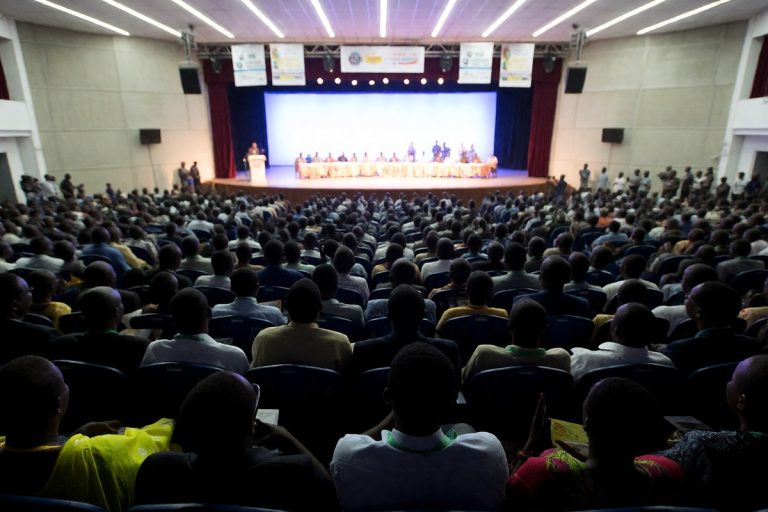
The 31st UN Climate Change Conference (COP31) in Antalya, Turkiye, concluded on Saturday at midnight after negotiators remained deadlocked over whether the final agreement should explicitly address the phase-out of fossil fuels and provide support for vulnerable countries to adapt to climate change. I find the African Group of Negotiators (AGN) assessment of the summit entirely accurate because the process failed to reflect the continent’s negotiating positions. Nana Dr Antwi-Boasiako Amoah, the AGN Chair, said the outcomes on Action for Climate Empowerment (ACE) and long-term climate finance failed to reflect Africa’s concerns. The AGN specifically rejected the proposed Action Plan for 2027 – 2031 under the Glasgow Work Programme because the text ignored their substantive concerns and clearly communicated red lines despite the group’s constructive engagement throughout the entire negotiation process. I view the COP31 Presidency’s conduct as an attempt to dictate terms rather than facilitate agreement. The Group stated, "The Presidency’s responsibility is to facilitate consensus among Parties, in accordance with the rules of procedure, not to determine or impose an outcome on their behalf." The AGN also argues that some paragraphs and provisions in the draft decision were not adequately negotiated, which undermines the legitimacy and acceptability of the outcome.
Flaws in climate finance reporting
The AGN also criticized the handling of long-term climate finance because the process denied parties sufficient opportunity to engage with the proposed decision. I find the assessment of the US$100 billion climate finance goal flawed because the findings relied on only two sources. The Standing Committee on Finance (SCF) failed to treat Biennial Transparency Reports (BTRs) equally.
| Finance Detail | Issue |
|---|---|
| US$100 billion goal assessment | Relied on only two sources |
| BTR consideration | Lacked equal treatment by SCF |
| ACE Action Plan | 2027 – 2031 period |
The AGN wants the SCF to develop a stronger methodological approach to promote understanding and trust among parties in the assessment of climate finance provision and mobilisation. The Group will only adopt the decision on long-term finance if officials change paragraph three of the draft text to better reflect the realities of financial provision and mobilisation. This revision must avoid references to messages that do not accurately capture the financial realities under consideration. This position reflects broader African concerns regarding the credibility of climate finance reporting and the need for decisions that translate into predictable support for developing countries. Africa maintains the position that implementation needs means of implementation.