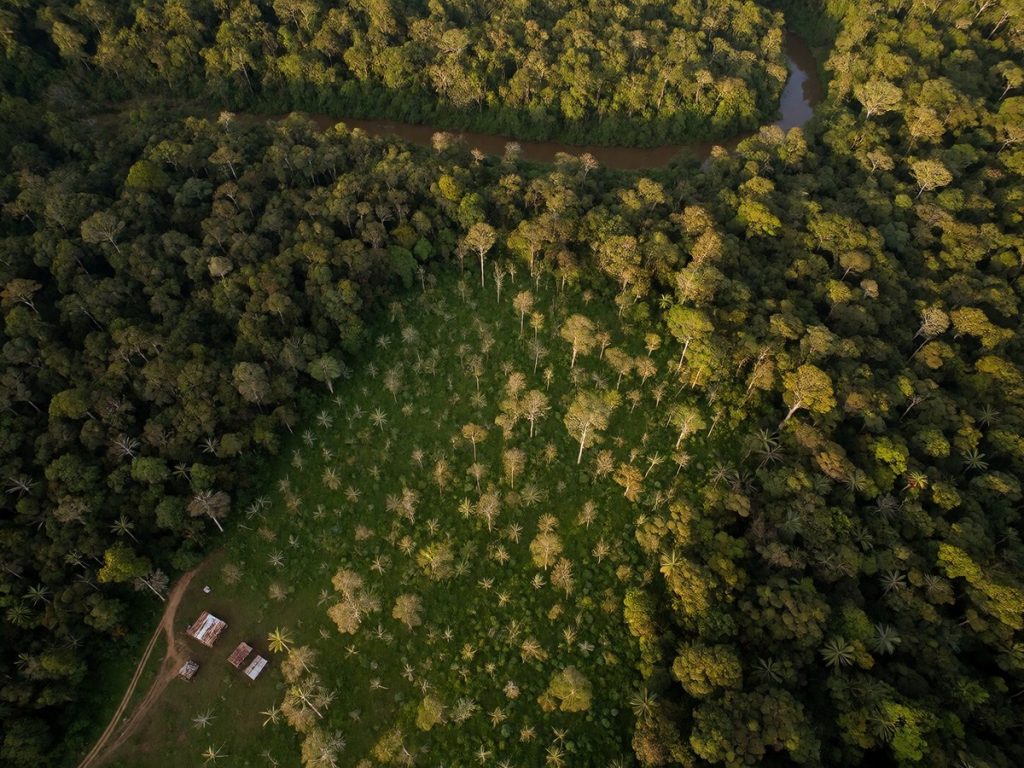
Ghana secured 6.57 million forest carbon credits under the Architecture for REDD+ Transactions (ART) REDD+ Environmental Excellence Standard (TREES). The ART Board approved the issuance on November 10, 2026, after verifying Ghana’s forest data, carbon accounting, and compliance with environmental safeguards. This achievement makes Ghana the first African nation to reach this milestone and the third jurisdiction globally, after Guyana and Costa Rica, to achieve this status. The credits cover verified reductions in greenhouse gas emissions achieved between 2017 and 2021 through measures to prevent deforestation, forest degradation, and forest landscape restoration. Each credit equals one tonne of carbon dioxide equivalent in verified emission reductions. Buyers, including participants in the LEAF Coalition, committed to purchasing four million credits for approximately US$43 million. The price for these credits ranges from US$10 to US$13 per tonne. The remaining 2.5 million credits are available for further transactions and could generate an additional US$25 million. The issuance of approximately 6.5 million ART TREES credits is clearly evidence that Ghana’s conservation efforts are producing results.
Revenue distribution and community benefits
Dr. Hugh Brown, Chief Executive of the Forestry Commission, said the issuance of credits does not mean Ghana has received the money. He said, "It is important to distinguish credit issuance from receipt of funds. Ghana has secured the verified credits, but yet to receive the corresponding revenues." The credits came from measurable conservation results that underwent an independent verification process. The Forestry Commission developed a benefit-sharing arrangement through a multi-stakeholder consultative process. This arrangement recognizes the role played by local communities and farmers in protecting Ghana’s forests through shared responsibility. Farmers, forest-fringe communities, and traditional authorities will receive 46 percent of the proceeds. Government institutions, including the Forestry Commission, Metropolitan, Municipal and District Assemblies, COCOBOD, and the Ghana National Fire Service, will receive 39 percent. Environmental non-governmental organisations are set to receive 2 percent, while the private sector gets 3 percent. The remaining 10 percent covers programme management, including verification and validation costs.
| Stakeholder Group | Share of Proceeds |
|---|---|
| Farmers, forest-fringe communities, and traditional authorities | 46% |
| Government institutions (Forestry Commission, COCOBOD, etc.) | 39% |
| Programme management (verification and validation) | 10% |
| Private sector | 3% |
| Environmental NGOs | 2% |
This proceeds distribution follows the experience seen with the Cocoa Forest REDD+ Programme. Between 2023 and 2024, the country received approximately US$21.8 million under that programme. This funding supported forest protection, landscape restoration, the provision of farming inputs, boreholes, health facilities, school blocks, and furniture.
Continued threats to forest resources
Minister of Lands and Natural Resources Emmanuel Armah Kofi Buah said the achievement resulted from work starting in 2008. He said the result points to the country doing the right thing despite challenges like illegal logging and illegal mining. However, the Forestry Commission warned that illegal mining, or galamsey, illegal logging, wildfires, and unsustainable agricultural expansion into forest areas continue to threaten forests and future carbon credit earnings. Dr. Brown said the next monitoring phase would cover the period from 2022 to 2026, and any further issuance depends on Ghana demonstrating additional emission reductions, undergoing independent verification, and maintaining compliance with the required standards. The immediate priorities for the Forestry Commission include completing initial transactions, securing expected payments, ensuring transparent benefit-sharing, and obtaining appropriate value for the remaining credits. Dr. Brown called for stronger collaboration among government agencies, traditional authorities, farmers, and local communities to protect the country’s forest resources.