Plastic ruins James Town livelihoods
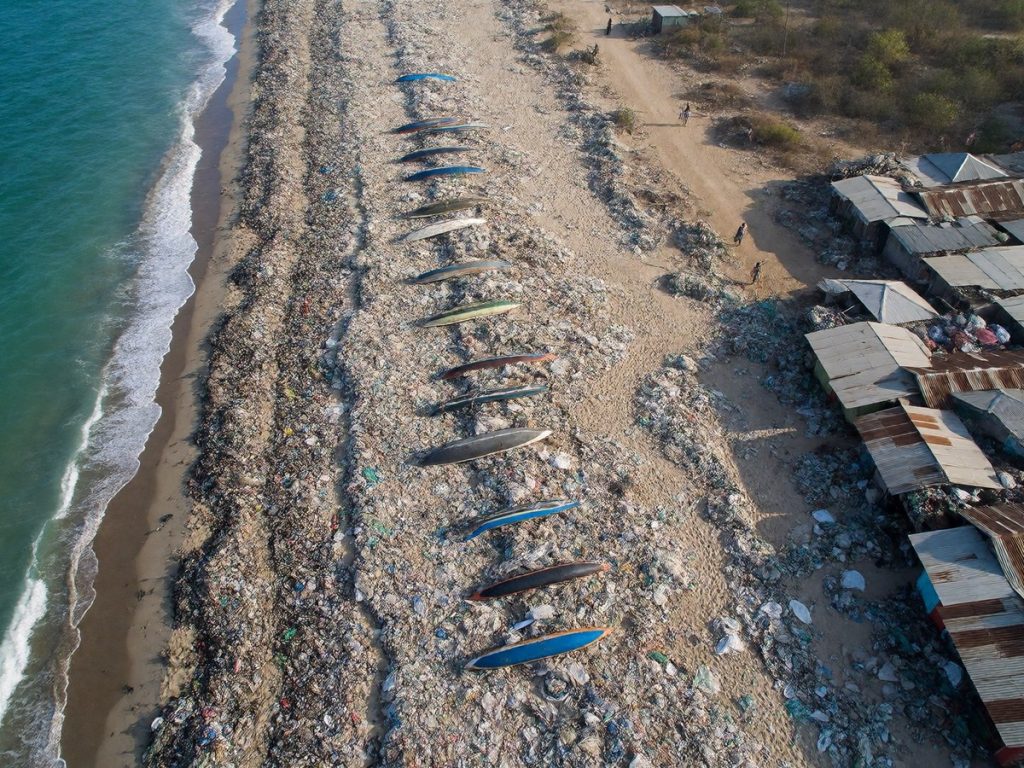
Plastic waste outnumbers fish in the nets of fishermen at James Town Fishing Harbour. Sammy Okine, a 37-year-old fisherman, mends his nets two or three times a week because heavy plastic clogs the gear. Daniel Otoo, another local fisherman, says diminishing returns mean families often lack enough fish to eat or sell. The beach contains towering drifts of crushed water sachets, single-use grocery bags, and tangled fishing nets. Nuumo Kwaa Mensah III, the Nae Wulomo, says deploying 20 canoes might not yield even one tonne of fish because the "plastic catch" is so heavy. He notes that because the people of James Town do not manufacture plastics, the waste arrives from markets and other places as part of a chain that must be viewed holistically. This pollution directly threatens the livelihoods of hundreds of fishermen, fish processors, and traders who depend on the sea.
High microplastic levels in fish
The Ghana Environmental Protection Authority reports that the country generates over one million tonnes of plastic waste annually, yet less than 10 per cent is collected or recycled. Most of this waste spills into drains and rivers before reaching the ocean. A Council for Scientific and Industrial Research-Water Research Institute (CSIR-WRI) study found that 80 to 93 per cent of beach plastic is "land-based" in origin. These microplastics kill fingerlings and account for up to 20 per cent of net catch volume in some areas, depleting the fishing economy. Fish remains a cornerstone of Ghana’s nutrition, supplying up to 80 per cent of animal protein intake. The United Nations Environment Programme (UNEP) warns that without immediate intervention, plastic waste in marine ecosystems could nearly triple by the year 2040. By 2050, the world’s oceans could contain more plastic waste by weight than fish.
| Group or Location | Annual Microplastic Particles |
|---|---|
| International Guideline (Max) | 3,078 |
| Ghanaian children | 209 |
| Consumers of farmed tilapia | 2,561 |
| Consumers of wild freshwater fish | 4,785 |
| James Town (Accra) | 31,238 |
| Labadi | 75,819 |
| Teshie | 81,257 |
Dr. Pennante Naa Ayikailey Bruce-Vanderpuije, a Senior Research Scientist at CSIR-WRI, explains that microplastic levels in fish from Accra coastal communities, including James Town, exceed international safety limits by dozens of times. The study warns that consuming fish gills and guts carries significant health risks. These small particles, measuring up to five millimetres, absorb toxic contaminants that may leach into the human bloodstream, milk, or urine. Nana Joojo Solomon, President of the Ghana National Canoe Fishermen Council (GNCFC), says over 140,000 artisanal fishermen across 320 coastal communities contribute to the pollution. He says that if 14,000 canoes carry 10 bags of sachet water for fishing and fail to bring the waste back, the ocean is "angry with us."
Climate and health threats
Degrading plastic under tropical ultraviolet radiation releases methane and ethylene. Dr. Godfred K. Teye, a specialist in environment and climate change, says microplastics on the ocean surface absorb heat and disrupt marine carbon sequestration by interfering with zooplankton. This situation intensifies ocean warming and acidification, which drives fish stocks further away from traditional coastal zones. Dr. Bruce-Vanderpuije warns that microplastic exposure might suppress gut immune function, cause lung inflammation, trigger oxidative stress, disrupt hormones, damage the liver and kidneys, and contribute to bioaccumulation.
To address this, the Environmental Protection Authority must implement the mandatory Extended Producer Responsibility framework to force plastic producers and importers to fund the collection and recycling of their packaging. This legislation would reinforce a phased, government-led ban on polystyrene food packaging beginning in January 2027. Dr. Bruce-Vanderpuije also recommends a policy restricting the worst single-use plastic items and a deposit-refund system where consumers pay a small amount on packaging that they receive back when they return it. She suggests investment in alternatives and a circular plastics fund resourced by the EPA, district assemblies, and the Customs Division of the Ghana Revenue Authority.