Long-term debt burdens for developers
Samuel Amegayibor, Executive Director of the Ghana Real Estate Developers Association (GREDA), says private developers may spend up to 30 years repaying loans used to construct hostels. He explains that long repayment periods, high financing costs, and difficulties in securing land limit private-sector investment in student housing. On Monday, during the Joy News PM Express programme, Amegayibor said hostel development is a long-term investment where operators could remain in debt long after the students who first occupied the facilities have graduated. He remarked that a student might finish school and have children who have reached childbearing age before the hostel owner recovers the investment. This long-term debt burden is part of the discussion regarding the financial pressure on students and their families. He identifies access to finance as the biggest obstacle for developers and notes that the terms offered by some tertiary institutions make projects difficult. He said some private universities propose build-operate-transfer (BOT) arrangements lasting only 25 years, which is unattractive to investors needing to recover substantial capital. Amegayibor argues the private sector has the capacity to address accommodation shortages if the investment environment is properly structured. He calls for a regulatory and management framework to provide investors with certainty and a clear channel for resolving disputes. He advocates for system management to make the environment conducive for investment instead of the direct regulation of prices. He wants investors to have confidence that the rules governing their operations will be clear and that an established mechanism will address problems during the life of a project.
University of Ghana fee adjustments
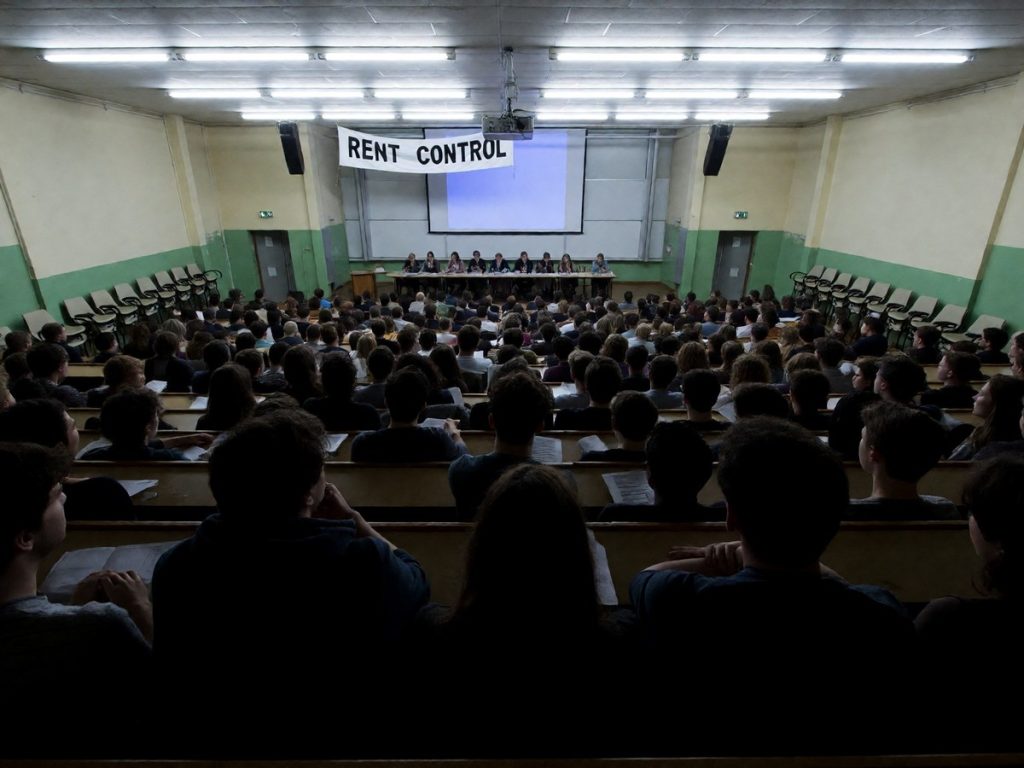
The University of Ghana recently reduced a proposed 26 per cent increase in fees for standard four-bed rooms in its four Diaspora halls to 15 per cent after consultations with student leaders. This adjustment changed the annual charge from GH¢7,000 to GH¢8,050 per student for the 2026/2027 academic year. Students have raised concerns about the cost of staying in university-managed residential facilities, which drew the attention of the Rent Control Department. The dispute also prompted the Education Minister to initiate formal engagements between the Ghana Tertiary Education Commission and the Rent Control Department regarding the regulation of hostel fees and accommodation charges. University management says that several facilities were built with commercial loans because public funding was inadequate. These fees cover debt repayments, utility bills, maintenance, and other operating costs.
| Facility Detail | Specification |
|---|---|
| Room Type | Standard four-bed rooms |
| Original Proposed Increase | 26 per cent |
| Revised Fee Increase | 15 per cent |
| Previous Annual Charge | GH¢7,000 |
| New Annual Charge (2026/2027) | GH¢8,050 |
Government interest in private partnerships
Education Minister Haruna Iddrisu disclosed on November 18 that the government considers public-private partnerships to develop additional hostels at affordable rates. He directed the Ghana Tertiary Education Commission and the Rent Control Commission to explore measures to address rising accommodation charges for students. This follows growing complaints from tertiary students about accommodation costs. In September 2026, the University of Cape Coast signed a memorandum of understanding with GSC Property Investment Limited for a US$500 million project. This 28,000-bed student accommodation project uses a 30-year BOT arrangement, but it remains subject to the necessary government approvals. The agreement was signed to address the growing shortage through long-term partnership. The project requires the private investor to finance, construct, and operate the facilities before transferring them to the university at the end of the concession period. Amegayibor maintains that attracting private investment requires more than calls for developers to build. He says it also depends on access to affordable long-term funding, secure land arrangements, and investment rules that allow developers to recover their costs and provide accommodation students can afford.