Transmission bottlenecks and seasonal demand
Kwadwo Poku, the Executive Director of the Institute of Energy Policies and Research, blames persistent power outages in parts of the country on inadequate investment in electricity transmission infrastructure. Consumers continue to experience outages despite improvements in generation and gas supply because the transmission network struggles to move electricity to areas with growing demand. I find his assessment of the transmission bottleneck correct, as increasing generation capacity does nothing if the grid cannot carry the load to the northern and middle belt regions. The current situation reflects years of inadequate attention to the transmission network, which he says has become a major source of instability in the power sector. He predicted in 2020 that the next major electricity disruption in the country would stem from transmission rather than generation.
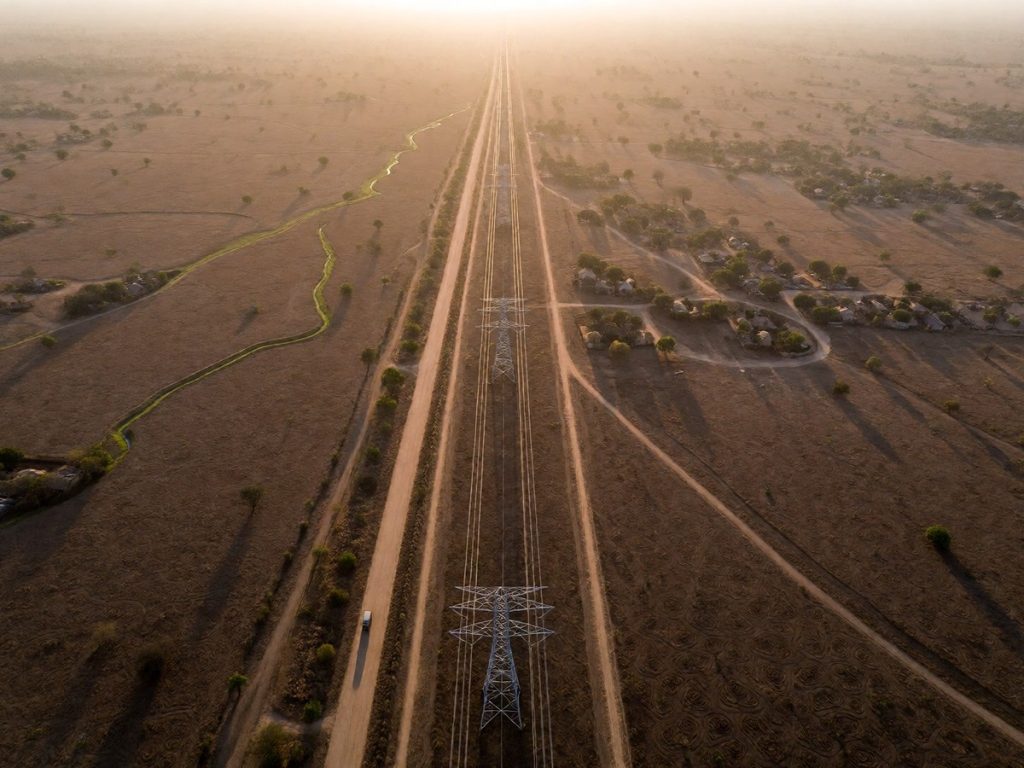
The concentration of generation facilities in the south creates additional pressure on the transmission network because there is no way to transmit that power to where the demand points are. During the cooler months between June and September, electricity demand generally declines because households and businesses use air conditioners less frequently. This period, which Poku refers to as "winter in Ghana," can see electricity demand drop by approximately 300 megawatts across the national grid. This drop eases pressure on transmission infrastructure, but when hotter weather returns, demand increases and exposes weaknesses in the electricity system. He argues that the government must prioritize investments in transmission infrastructure alongside plans to expand generation capacity. He notes the problem is the lack of investment in the transmission over the last two years. Without urgent interventions, consumers could continue to experience electricity supply challenges despite improvements in generation capacity.
Cancelled financing for the Accra-Kumasi line
The Mahama administration cancelled a financing arrangement with the German development bank KfW for a 330kV transmission line linking Accra and Kumasi. This project, which the New Patriotic Party administration secured and prepared before leaving office, would have provided an alternative route through Pokuase to reach the Ashanti Region. I view the cancellation of this $150 million project as a direct cause of current vulnerability because the loss of the line deprives the country of a way to reroute electricity when the western corridor fails.
The proposed 330kV Accra-Pokuase-Kumasi line was intended to strengthen the transmission backbone and reinforce capacity between Greater Accra and the Ashanti, Bono, Bono East, Ahafo, and Northern regions. Most of the thermal generation facilities sit in the Western Region, and electricity currently travels towards Kumasi through the existing western corridor. This lack of redundancy becomes evident when faults occur, like the recent damage to the Aboadze-Anwomaso transmission line. The project would have allowed the movement of power from Accra through the Pokuase bulk supply point to Kumasi whenever the existing route through the Western Region became unavailable.
| Technical Specification | Value |
|---|---|
| Planned line voltage | 330kV |
| KfW financing amount | $150 million |
| Seasonal demand reduction | 300 megawatts |
Poku said the MPP felt there was a need for an alternative route to prevent widespread disruptions. He questions why the current administration cancelled the financing arrangement while the country continues to experience transmission challenges. The transmission investments required to address these issues cannot be completed immediately, so the challenges will persist. He maintains that addressing the electricity challenges requires sustained investment in transmission infrastructure alongside efforts to increase generation capacity.