Political standoff over debt
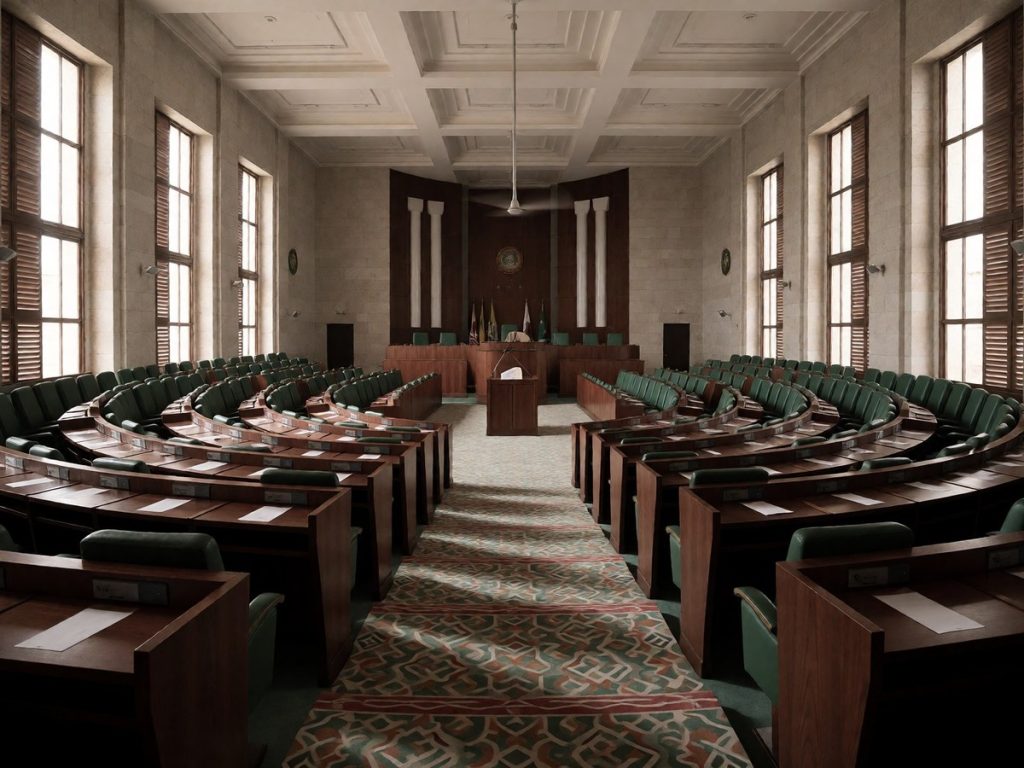
President Bassirou Diomaye Faye ordered the implementation of the revised 2026 budget by decree on Thursday, November 19, 2026, after the National Assembly rejected the measure. This decision bypasses the lawmakers where his ruling Pastef party holds a commanding majority. I find this move reckless given the intense disagreement over how to handle the country’s mounting debt crisis. Lawmaker Amadou Ba criticized the move, stating that Faye was "making a bad mistake" and had "no authority to put into force a rejected revised budget bill". This political conflict directly threatens a $2.2 billion International Monetary Fund (IMF) bailout that Senegal announced in September. While the agreement aims to stabilize public finances, the IMF must still secure executive board approval for the programme. IMF spokesperson Julie Kozack stated that advancing the relief package "depends on completion of the agreed steps on a budget framework". Prime Minister Ousmane Sonko, who leads Pastef, previously described debt restructuring, a requirement for the IMF programme, as a "disgrace" that would undermine Senegal’s sovereignty. This move creates a significant obstacle for the administration’s fiscal goals.
Economic risks and labor reaction
The government warned that failure to approve the revised budget could threaten electricity supplies, delay payments to businesses and prevent the settlement of salary arrears owed to teachers, and lawmakers have already rejected parts of the 2027 budget. This instability comes as Senegal’s public-sector debt reached 132 per cent of GDP at the end of 2024. I think the government faces a massive hurdle since lawmakers have already rejected parts of the proposed 2027 budget during recent parliamentary proceedings. However, the presidential decree provided a "huge relief for the labour sector" according to Cheikh Diop, the leader of the trade union CNTS-FC. Diop said the decision could facilitate the repayment of domestic debts affecting workers and businesses. The IMF remains ready to discuss a debt relief package with Senegal’s stakeholders, but the fund warns that progress depends on resolving the budget impasse. The administration insists that both the revised 2026 budget and the proposed 2027 budget remain essential to address the country’s debt burden and meet the requirements of the IMF programme. The government needs these specific fiscal frameworks to satisfy the IMF’s conditions and stabilize the economy.