Protecting the dignity of the institution
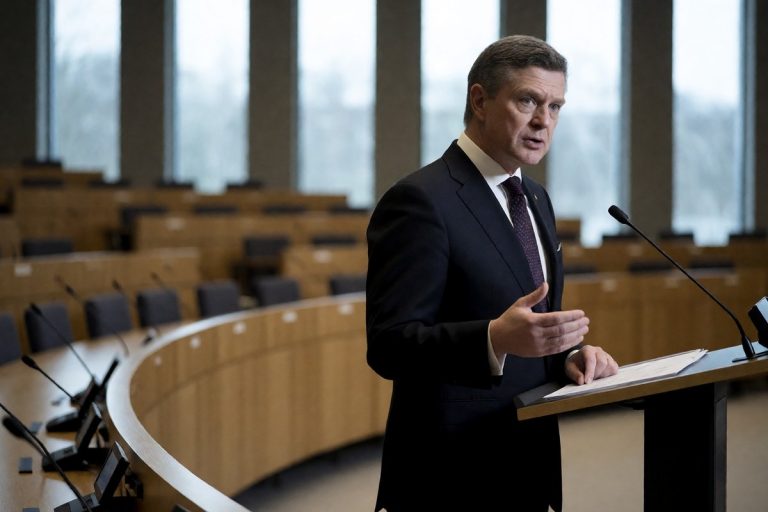
On Friday, November 20, 2026, President John Dramani Mahama told the Oti Regional House of Chiefs that the constitutional restriction barring chiefs from participating in active partisan politics preserves the dignity and respect of the chieftaincy institution. He argued that traditional rulers must remain above partisan political contests while continuing to contribute to local governance and community development. He added that allowing traditional rulers to contest partisan political positions could undermine the standing of the institution. The 1992 Constitution decided that chiefs should not take part in partisan politics, and the Supreme Court affirmed this in its interpretation of what partisan politics is. He questioned the appropriateness of traditional rulers competing in district assembly elections against members of their own communities, saying, "let’s say we’re doing district assembly elections and the whole paramount chief is standing against some small student or some butcher or some teacher or something. It doesn’t all go very well." I find his concern regarding this imbalance of power to be a blunt and necessary reason to maintain the restriction.
According to Article 276(1) of the 1992 Constitution, a chief shall not take part in active party politics, and any chief seeking election to Parliament must abdicate the stool or skin. This legal framework relies on a 2022 Supreme Court interpretation that distinguishes between chiefs commenting on government policies and programmes, which the court allows, and endorsing political candidates or parties, which constitutes active party politics.
Role in local governance
The President stressed that the restriction should not prevent traditional authorities from playing an active role in local governance. The government maintains the constitutional provision for appointed positions on district assemblies to ensure representation for traditional authorities, women, young people and persons with disabilities. Mahama urged traditional authorities to nominate representatives to the assemblies so they could participate in discussions on behalf of the chiefs and report back to them on decisions taken. He also encouraged chiefs to work closely with district chief executives and take an interest in how district assemblies use public funds. Traditional authorities are well placed to identify the development needs of their communities and should help guide local authorities in selecting projects that respond to those priorities.