Removing regulatory barriers
South Africa calls for the removal of regulatory obstacles to expand trade and industrial ties with Ghana to benefit both nations. John Steenhuisen, the South African Deputy Minister of Trade, Industry and Competition, says differences in tax regimes, tariffs, and product certification requirements create barriers for businesses in both nations. He spoke on the sidelines of the Sixth German-African Business Summit in Accra. Steenhuisen believes that differences in tariffs, taxation, and product certification requirements limit the potential for increased trade among various African countries. He advocates for the greater alignment of trade regulations and standards to ensure that cross-border business transactions become easier and less costly for all companies. He argues that products approved in Ghana should not undergo a new certification process when exported to South Africa, and vice versa. Duplication of these processes adds unnecessary costs and slows progress under the African Continental Free Trade Area (AfCFTA). Steenhuisen argued that addressing these regulatory differences will help advance the objectives of the African Continental Free Trade Area and enable businesses to participate more effectively in their regional value chains. "Something that’s certified and approved in Ghana should not have to go through a certification and approval process in South Africa and vice versa," he said.
Infrastructure and industrial cooperation
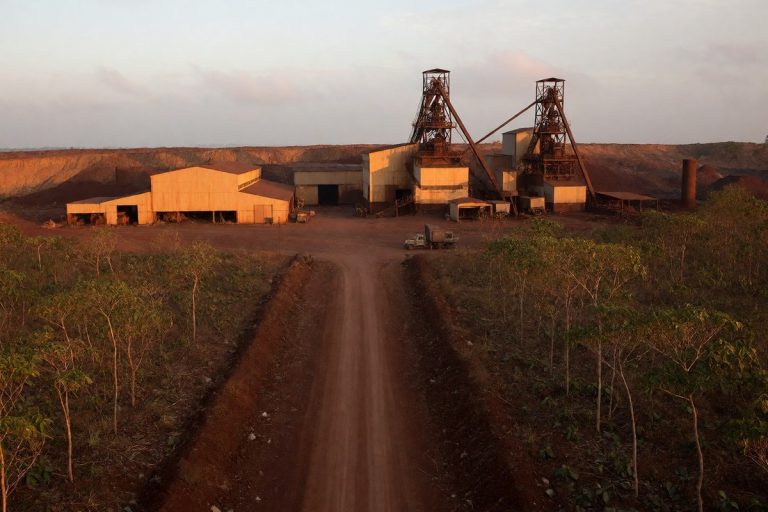
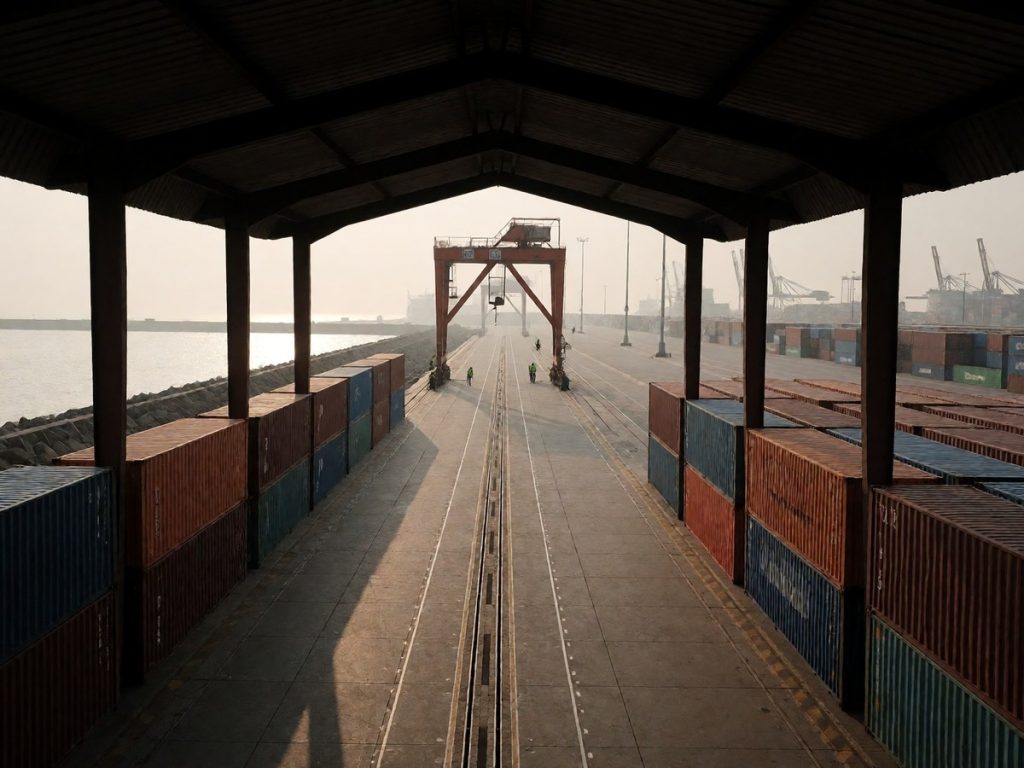
The Deputy Minister suggests Ghanaian manufacturers could supply products and components to South African industries. South African businesses could support Ghana’s mining, mineral processing, and manufacturing sectors. Steenhuisen says that Ghana’s ambition to move beyond exporting raw materials requires sustained investment in infrastructure and stronger partnerships with other African economies. He notes that South Africa can provide investment and technical expertise through its development finance institutions to support growth. He identified ports and airports as critical facilities that must be strengthened to support manufacturing and trade. Industrial development remains difficult without reliable basic infrastructure to support businesses and connect producers to domestic and international markets. Steenhuisen says that continued investment in infrastructure will help Ghana strengthen its industrial base to facilitate growth. "You can’t have industrialisation if you don’t have the basic infrastructure right," he said.