Farmers face losses from unsold produce
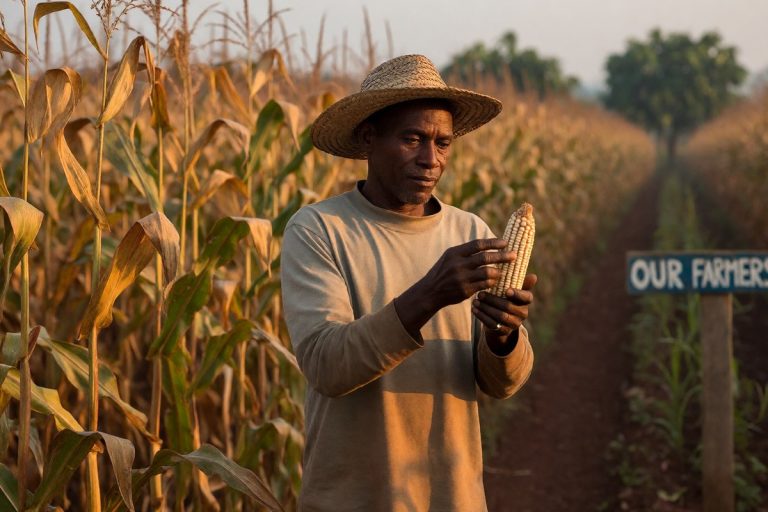
Minority Chief Whip Frank Annoh-Dompreh warned on Friday, November 27, that Ghana risks a food crisis if the government fails to address the growing food glut. Nsawam-Adoagyiri MP Annoh-Dompreh stated that farmers who invested borrowed funds and scarce resources in food production struggle to find buyers or must sell below production costs. Farmers producing maize, rice, cassava, yam, and soya beans face the most difficulty selling their produce. Market women face distress because consumers lack the purchasing power to buy food, which causes traders to lose working capital as perishable produce deteriorates. Annoh-Dompreh warned that if farmers respond by reducing production or abandoning agriculture, the inability to connect production with effective demand, storage, and distribution could turn this glut into tomorrow’s food shortage. "A farmer who cannot sell cannot repay loans, pay workers or finance the next planting season," Annoh-Dompreh said.
NAFCO capacity and proposed interventions
The National Food Buffer Stock Company (NAFCO) has failed to stabilize prices or absorb excess produce effectively. While NAFCO has an installed storage capacity of 129,000 metric tonnes, reports from May 2026 indicate that only between 40,000 and 44,000 tonnes were usable. Annoh-Dompreh demanded accountability for NAFCO’s financial allocations, insisting that announcements must produce measurable relief through actual purchases and timely payments to farmers.
| NAFCO Storage Capacity (May 2026) | Metric Tonnes |
|---|---|
| Total installed capacity | 129,000 |
| Usable capacity | 40,000 to 44,000 |
Annoh-Dompreh called for emergency government purchases of surplus produce at economically sustainable prices to help farmers who cannot recover their costs. He proposed that the government direct schools, universities, hospitals, prisons, and the Ghana Armed Forces to prioritize locally produced food to create predictable demand for farmers. The Minority Chief Whip proposed restructuring agricultural loans, expanding storage facilities, supporting food processing, and improving access to affordable working capital for traders to help stabilize the market. He demanded that the Minister for Food and Agriculture provide specific data regarding unsold produce, affected farmers, government purchases, and outstanding payments to Parliament.
The MP urged Parliament to develop a time-bound national intervention plan with measurable targets and regular reports. He also called for an urgent parliamentary inquiry into the crisis to protect agricultural livelihoods and urged the government to act to safeguard the country’s food security. "Our farmers do not need sympathy alone; they need buyers," Annoh-Dompreh said.