Food expenditure limits other essential needs
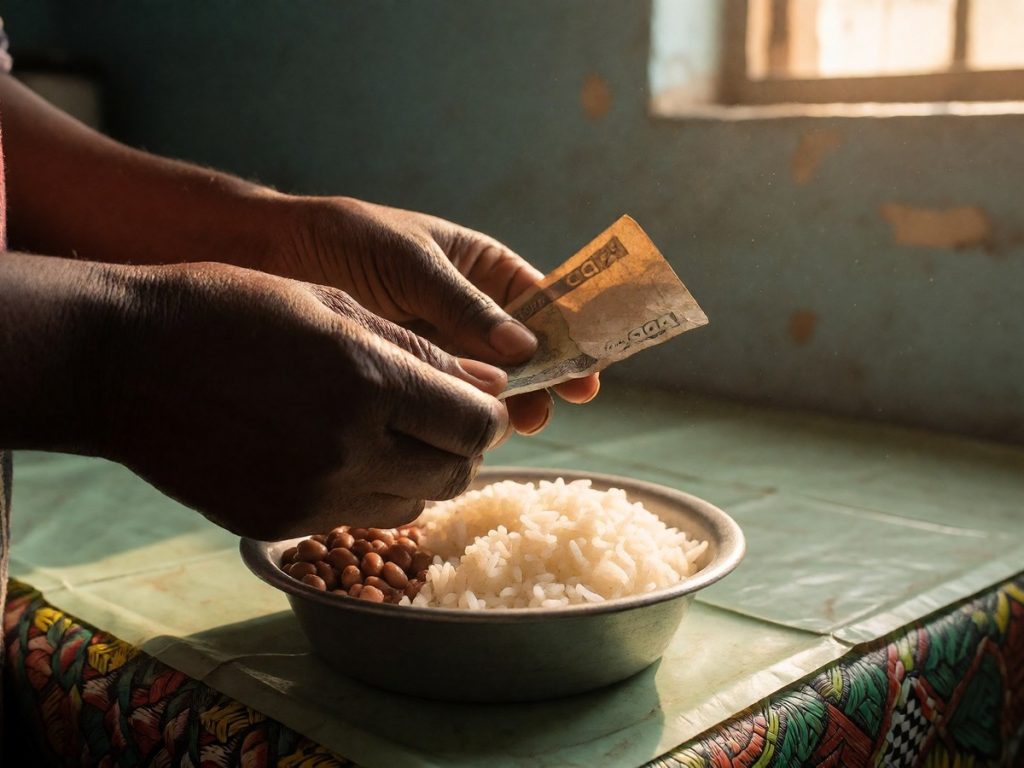
50.5 per cent of Ghanaian households, which represents approximately 4.69 million households, spent more than 75 per cent of their total expenditure on food according to the Ghana Statistical Service (GSS). This high proportion of expenditure leaves households with limited resources for other essential needs. Dr Alhassan Iddrisu, the Government Statistician, said during a press briefing in Accra that when food takes three quarters of the budget, very little is left for health, education, housing, and everything else. The 2026 third-quarter Mobile Vulnerability Analysis and Mapping (mVAM) Survey Report, which was based on 7,752 mobile phone interviews conducted between July and September 2026, produced weighted results representing about 9.29 million households and 33.4 million people. Income sources for these households include:
| Income Source | Percentage |
|---|---|
| Wage work | 59.7% |
| Savings and trading | 24.5% |
| Small and medium-scale agriculture | 10.9% |
| Borrowing, pensions, remittances, and gifts | 3.5% |
| Other sources | 1.4% |
Wage work provided income for 59.7 per cent of households, while 24.5 per cent relied on savings and trading. Small and medium-scale agriculture provided income for 10.9 per cent of households, while 3.5 per cent of households used borrowing, pensions, remittances, and gifts. Other sources accounted for the remaining 1.4 per cent.
Agricultural production fails to protect against hunger
Producing food does not necessarily protect households from food insecurity. Households that depend on small and medium-scale agriculture for income were more exposed to insufficient food consumption, with 15.9 per cent of those households affected, compared to the national average of 6.6 per cent. The report found that 6.6 per cent of households, which represents approximately 606,000 households, experienced insufficient food consumption during the survey period. Additionally, the survey identified widespread use of food-related coping strategies, as 30.1 per cent of households, or about 2.79 million households, fell into the medium or high categories of reduced coping. Dr Iddrisu said, "Producing food does not by itself protect a household from food insecurity."