Infrastructure bottlenecks cause power outages
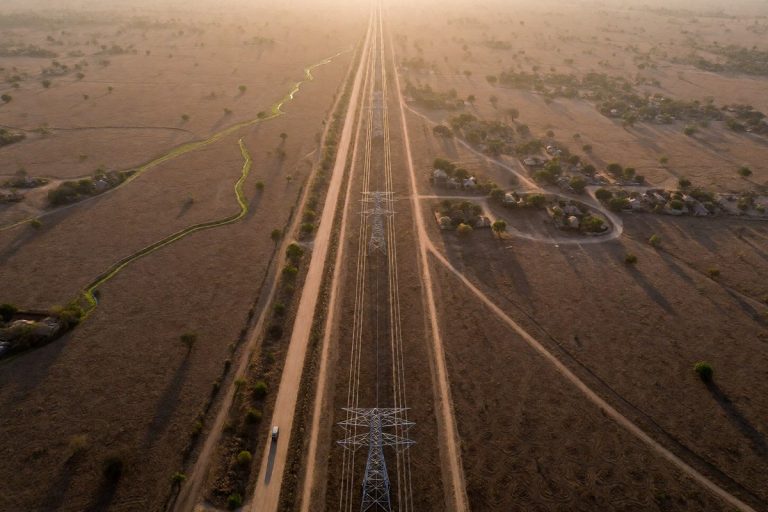
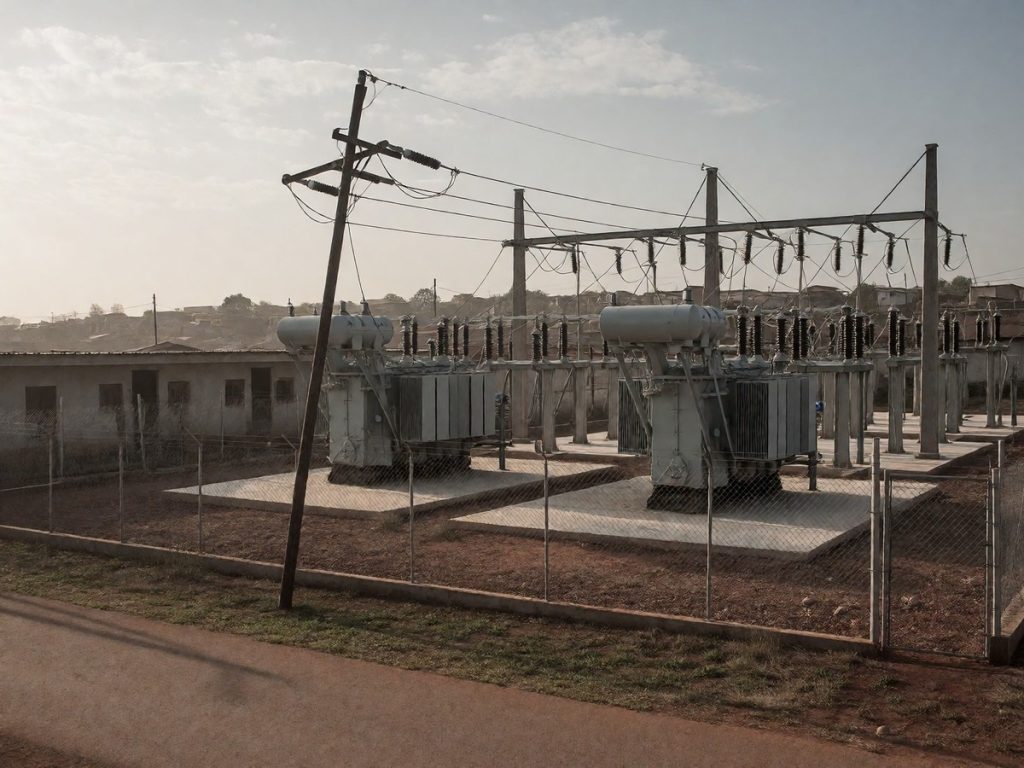
Richmond Rockson, the Ministry of Energy Spokesperson, identified Dansoman, Adenta, Amahia, parts of Oyarifa, Pokuase, Amasaman, and Lakeside as hotspots for electricity supply challenges in recent weeks. He explained during an interview on JoyNews’ Newsfile on Saturday, November 28, that these specific areas face persistent outages because of pressure on transmission and distribution systems. Rockson said the outages do not stem from generation difficulties, as the ministry has largely dealt with those problems. He noted that hot weather from El Nino during the last four to eight weeks increased electricity demand. This increased demand put additional pressure on distribution systems and tested their capacity limitations. Rockson said that in areas like Dansoman, which the Malam MBSP supplies, or the Adenta area supplied by the Mugole, Adenta, Amahia, and parts of OEB, the distribution systems feel the impact. He said that once demand goes up, these systems come under pressure and test the robustness of the system. Rockson said inadequate investments in the transmission sector over the years left parts of the electricity network struggling to meet growing demand. This resulted in overloaded lines and low-voltage challenges. He assured the public that the ministry is responding to these issues and is aware of the challenges facing consumers.
Government expands capacity and deploys transformers
The government deployed 2,000 transformers across the country this year to improve distribution, and Rockson said the ministry is investing in transmission lines to ensure a more stable supply. In Kumasi, the government is working to upgrade the K1 and K2 transmission lines to increase capacity. These lines, which were installed about 20 years ago, now face pressure from significant population growth and rising demand.
| Location | Infrastructure | Current Capacity | Projected Capacity |
|---|---|---|---|
| Kumasi | K1 and K2 lines | ~364 | ~1,000 |
Rockson said that upgrading these lines will triple their capacity and provide more room in the redundancies needed to deal with system issues. He noted that the current capacity of these lines is approximately 364, but the upgrades aim to reach almost 1,000. These upgrades will create much more capacity within the transmission system and improve the network’s ability to respond to various technical challenges. He emphasized that the government is responding swiftly to the issues by investing in both transmission lines and distribution infrastructure to improve power supply reliability.
Finance Minister delays grid funding
Kwadwo Poku, the Executive Director of the Institute of Energy Policies and Research, accused Finance Minister Dr Cassiel Ato Forson of delaying the release of $50 million that is needed to improve the national electricity transmission infrastructure. This money forms part of a $250 million World Bank facility for the Ghana Grid Company (GRIDCo), which includes the Takoradi-Kasoa 161kV transmission line. Poku stated that the World Bank requires GRIDCo to develop and submit a methodology for implementing security-constrained economic dispatch to the Energy Commission before the facility releases the money. This requirement means GRIDCo must establish specific procedures before the $50 million can be used for the Takoradi-Kasoa line. The World Bank document indicates that GRIDCo has not yet prepared this methodology or procured the necessary consultants. He noted that the absence of commitment authorisation from the Ministry of Finance prevents progress toward meeting the required targets. Poku questioned why the government has not prioritised the release of the funds for transmission infrastructure while pursuing plans to expand electricity generation capacity. He warned that the government’s plan to build a 1,450 megawatt plant in the Central Region will face difficulties if the aging transmission infrastructure cannot evacuate the additional electricity. He pointed out that the existing transmission corridor in the Central Region was built in 1960 and many of its fittings are rusted. Increasing generation capacity without corresponding investment in transmission will not adequately address Ghana’s electricity supply challenges, according to Poku.