Increasing adolescent vulnerability
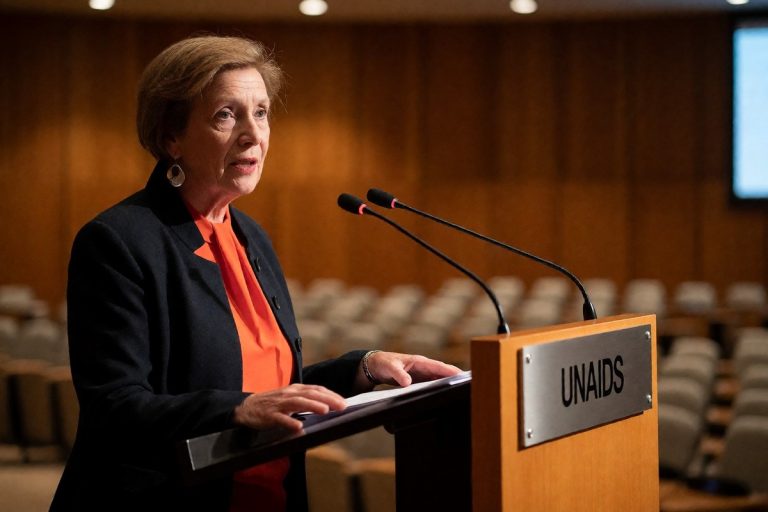
Young people aged 15 to 24 account for 27.5 per cent of new HIV infections in Ghana. The Ghana AIDS Commission recorded 13,951 new infections in 2025, while 337,435 people live with the virus in the country. Globally, 350,000 young people aged 15 to 24 acquired HIV in 2024, including 145,000 adolescents between the ages of 15 and 19. Dr. Isabella Efua-Samwa, head of the Korle Bu Infectious Disease Centre, notes that a growing number of adolescents access care at her facility. She says some adolescents only discover later in life that they are living with HIV, which creates challenges as they manage physical, emotional, and social changes.
| HIV Statistics | Data |
|---|---|
| New infections in Ghana (2025) | 13,951 |
| Total people in Ghana living with HIV | 337,435 |
| Youth (15-24) share of new infections | 27.5% |
| Global youth (15-24) infections (2024) | 350,000 |
| Global adolescent (15-19) infections (2024) | 145,000 |
Dr. Efua-Samwa identifies heterosexual sexual activity as a major driver of HIV transmission in Ghana. She describes the situation as a generalised epidemic where heterosexual relationships fuel the infection. These adolescents face their own struggles because of hormonal changes and physical growth. The head of the Korle Bu Infectious Disease Centre stresses that if health officials want to end the disease, they must take prevention seriously. She notes that adolescents already living with HIV need support to manage their condition and pursue their ambitions. She also notes progress in preventing mother-to-child transmission and explains that women living with HIV who receive appropriate treatment can give birth to children who are HIV-negative.
Education efforts to close information gaps
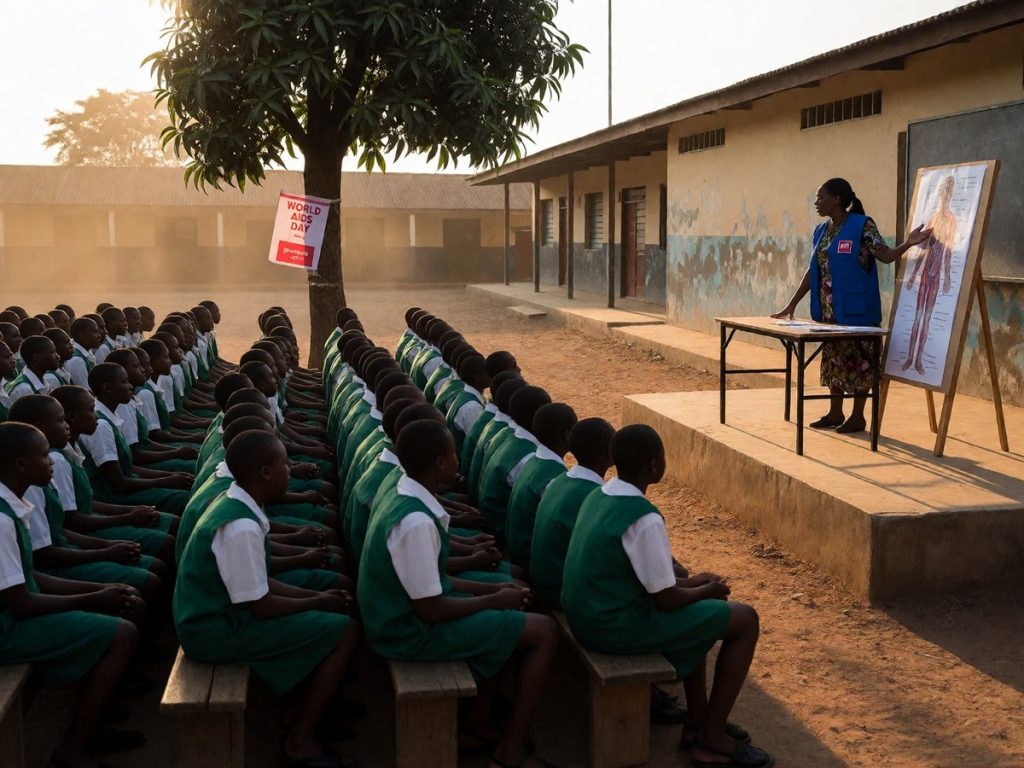
AHF Ghana and Korle Bu Teaching Hospital organized an HIV and sexual health education programme for pupils from seven schools as part of activities marking World AIDS Day. The engagement at Martyrs of Uganda School in Mamprobi aimed to equip adolescents with information on HIV, sexually transmitted infections, and prevention methods. Gifty Brago, the prevention and advocacy manager at AHF Ghana, says inadequate knowledge and economic pressures can expose adolescents to HIV infection and sexual exploitation, particularly when parents struggle to meet educational and basic needs. She explains that some adolescents become vulnerable to exploitation when they depend on others for financial support because they lack sufficient resources.
Ms. Brago says parents should take an active role in teaching children about sex and reproductive health so they do not rely on misleading information from peers or social media. She also asks teachers, particularly male teachers, to protect vulnerable pupils instead of taking advantage of them. She urges government and development partners to expand adolescent-focused health programmes in schools and communities. Ms. Brago argues that if society looks down on adolescents, it breaks their confidence and prevents them from saying no to things. She believes sustained education, early testing, access to treatment, and stronger support systems for adolescents will be essential to reducing new infections.
Miriam, a Form Three student, learned during the session how the virus transmits. She says someone can contract HIV by having sex with an infected person or by sharing sharp items like needles and blades. Miriam identified abstinence, faithfulness to one partner, and the correct, consistent use of condoms as ways to prevent infection. Dr. Efua-Samwa notes that people living with HIV can lead fulfilling lives if they adhere to antiretroviral treatment. When treatment reduces the virus in a person’s body to undetectable levels, the person cannot transmit the virus through sexual contact, a principle known as Undetectable Equals Untransmittable (U=U). Ms. Brago adds that HIV is very real and that effective medication is available for anyone who tests positive. She believes there is a lot of hope for anyone who tests positive.