The private signal of a president
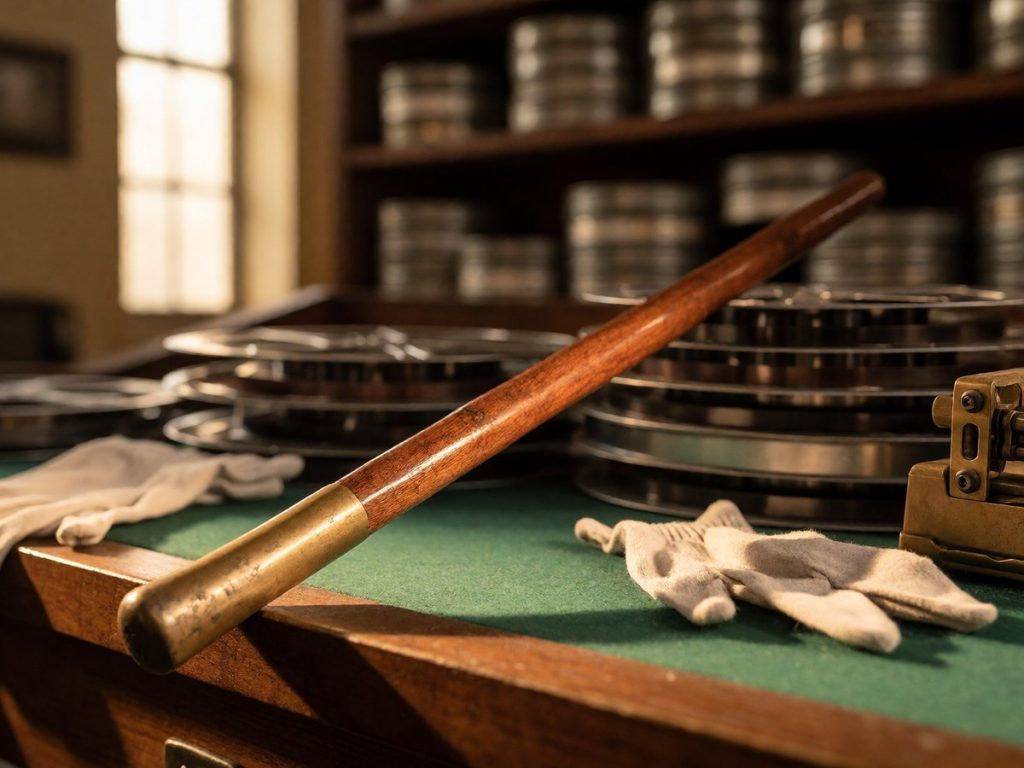
Rev. Dr. Chris Tsui Hesse used a specific, secret signaling system involving a walking stick to receive instructions from Ghana’s first President, Dr. Kwame Nkrumah. The 94-year-old veteran filmmaker revealed these "confidential signs" in the documentary "The Eyes of Ghana," directed by Ben Proudfoot. Nkrumah did not use the stick because of a bad leg, but rather to communicate without verbal instructions during official engagements. Hesse explains how the stick functioned as a tool for silent direction: "He had a walking stick, not because he had a bad leg. We used the stick to talk. When he wanted me to film something, I know. When he doesn’t want, I know."
This arrangement allowed the President to control what the camera captured during sensitive political activities or official events without drawing attention to his commands. Hesse served as Nkrumah’s personal cameraman during the 1950s and 1960s, recording presidential activities and movements within the African liberation struggle. Nkrumah placed significant responsibility on Hesse, telling him, "My son, I’m depending on you as the filmmaker to tell the story." This trust gave Hesse a unique position to document defining moments of Ghana’s independence era.
A race to save the archive
The documentary focuses on the career of Hesse and his urgent mission to recover and repatriate more than 1,000 reels of archival film. Hesse faces a race against time due to his advancing age and declining eyesight as he tries to secure these recordings for future generations. These reels provide a visual account of the 1950s and 1960s, including the rise of independence movements and the struggle against colonial rule across Africa.
| Detail | Information |
|---|---|
| Documentary Director | Ben Proudfoot |
| Subject Age | 94 years old |
| Archive Size | More than 1,000 reels |
| Historical Period | 1950s and 1960s |
The footage offers a rare perspective on the political changes that swept the continent during the mid-20th century. The film examines the historical value of the images Hesse captured while working behind the camera. It also addresses the need to preserve Ghana’s historical records and safeguard original footage as national heritage. Hesse’s work documents the birth of African independence from a specific perspective that remained hidden for decades. He works to ensure these images do not disappear before he completes the repatriation of the collection to Ghana.