Settlement of February 2027 bonds
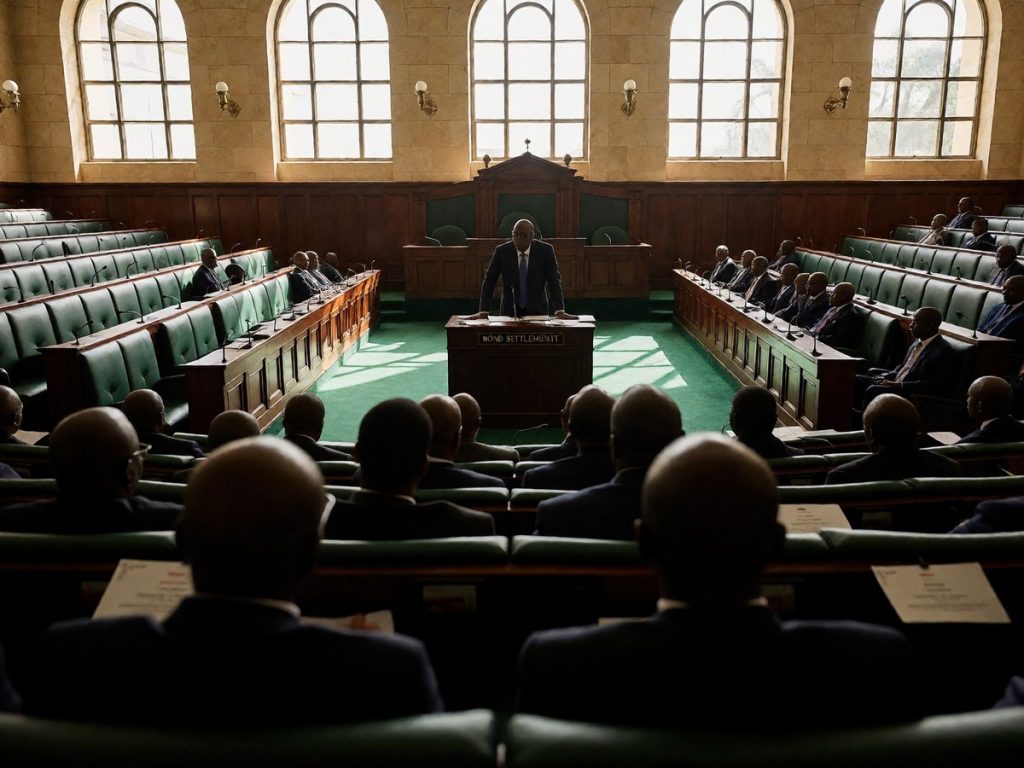
Finance Minister Dr Cassiel Ato Forson announced the settlement in Parliament on Thursday, November 26, 2026. The government used GH¢12.6 billion to settle the bonds and GH¢289 million for accrued interest, bringing the total cash payment to approximately GH¢12.9 billion. This transaction successfully retired 44.1% of the Domestic Debt Exchange Programme (DDEP) bonds due in February 2027, finishing the process months before the maturity date. The Cedi Sinking Fund financed the buyback after the offer opened the previous Monday and closed on Wednesday. The transaction was finalised at 11:15 a.m., 45 minutes before the normal noon settlement time.
Dr Forson described the early settlement as a way to rebuild investor confidence and show the government’s commitment to meeting debt obligations. The transaction forms part of broader efforts to manage GH¢53 billion in DDEP obligations falling due in 2027. According to Dr Forson, GH¢40.1 billion of those obligations is due in February, while GH¢12.9 billion is expected in August. The government previously paid more than GH¢46.5 billion towards inherited domestic debt, including GH¢5.14 billion to bondholders who did not participate in the debt exchange. Dr Forson maintained that the early repayment demonstrated a disciplined approach to debt management, which involved identifying obligations, providing resources, and planning repayments. He also said the government would reopen the voluntary buyback offer in two weeks to accommodate remaining bondholders.
| Category | Value |
|---|---|
| Total cash payment | GH¢12.9 billion |
| Principal settlement | GH¢12.6 billion |
| Accrued interest | GH¢289 million |
| Percentage retired | 44.1% |
| Total 2027 DDEP obligations | GH¢53 billion |
| February 2027 obligation | GH¢40.1 billion |
| August 2027 obligation | GH¢12.9 billion |
Potential losses for bondholders
Former Finance Minister and Karaga MP Dr Mohammed Amin Adam warned that investors might lose up to GH¢536 million in potential interest earnings if they participate in the buyback. Dr Mohammed Amin Adam estimated that bondholders could lose GH¢247 million if they immediately reinvest the proceeds in 91-day Treasury bills, GH¢346 million if the funds remain idle for four weeks, and GH¢536 million if they do not reinvest before the bonds mature. He based these estimates on the difference between the 8.35 per cent annual interest rate on the bonds and the approximately 4.5 per cent yield on 91-day Treasury bills. He also questioned the government decision to cap the buyback price at GH¢100, noting that prevailing Treasury bill yields suggest the bonds are worth approximately GH¢100.90 without interest.
The total value of the bonds targeted under the buyback is GH¢28.58 billion. Adam noted that the auction notice did not clearly explain how accrued interest would be paid to investors. He called on the government to publish a comparison showing what investors would receive by selling their bonds immediately, including accrued interest, and what they would receive by holding them until February 2027. He argued that what bondholders need is "compensation or relief" for the sacrifices they made to help rebuild the economy, not a buyback that leaves them worse off.